





Is a Resin Driveway Slippery?
Introduction
Resin driveways have become a popular choice for homeowners seeking a durable, aesthetically pleasing, and low-maintenance solution for their outdoor spaces. A common concern among potential buyers is whether these surfaces are slippery, especially during wet or icy conditions. Understanding the factors that influence the slip resistance of resin driveways can help homeowners make informed decisions and ensure safety.
Factors Affecting Slip Resistance
Several factors contribute to the slip resistance of resin driveways:
1. Type of Resin System
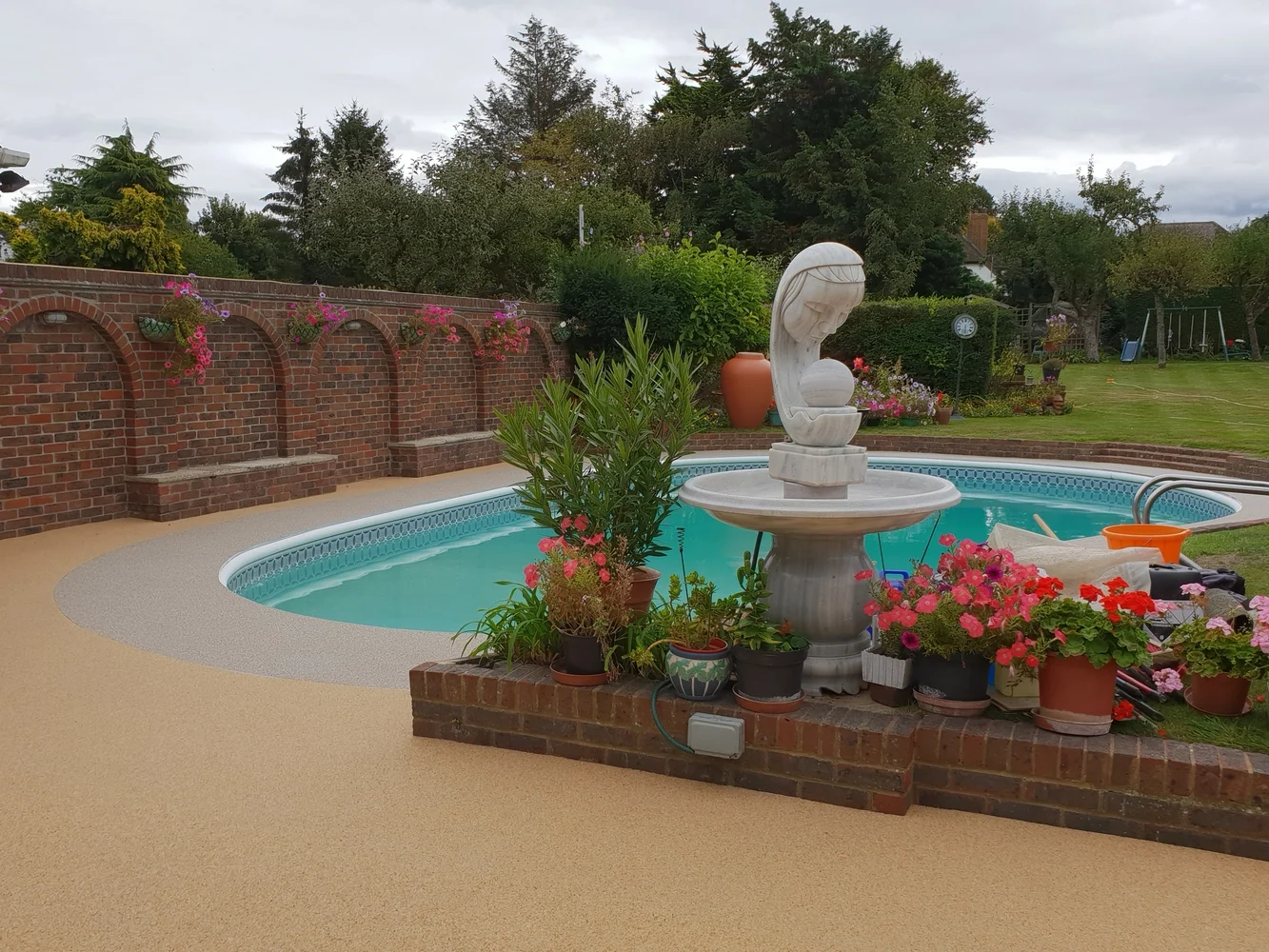
- Resin-Bound Systems: These systems involve mixing aggregates with a clear, UV-stable resin binder to create a smooth, permeable surface. The interstitial spaces between the aggregates allow water to drain through, reducing the risk of puddles and potential slipping hazards.
- Resin-Bonded Systems: In this system, a layer of resin is applied to the base, and loose aggregates are scattered on top. While this creates a textured surface, the resin layer can become slippery when wet, especially if the aggregates are smooth or rounded.
2. Aggregate Selection
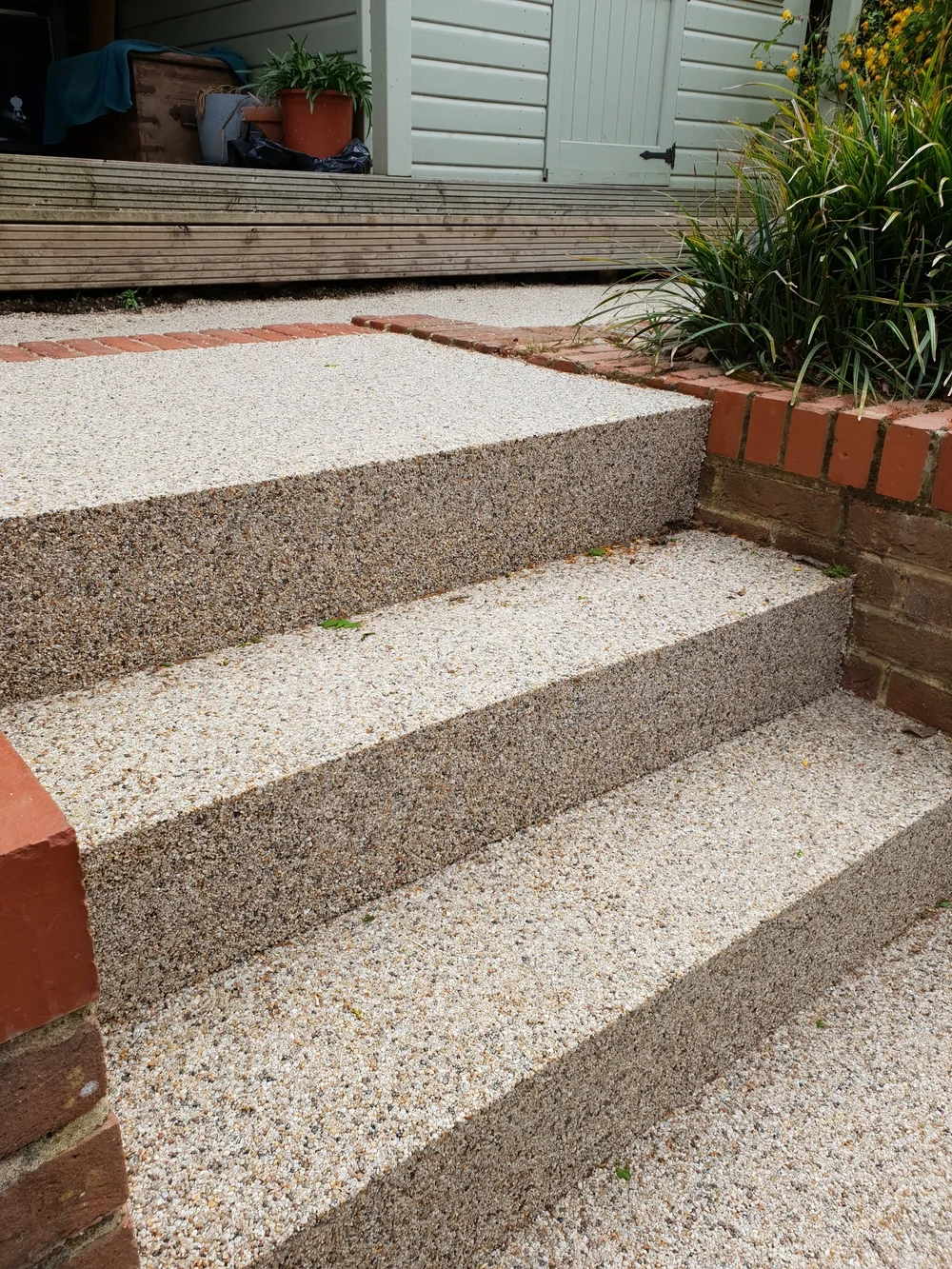
The type of aggregates used in the resin mix plays a significant role in the surface’s slip resistance. Angular aggregates provide better grip than smooth, rounded ones, as they interlock more effectively, creating a textured surface that enhances traction.
3. Surface Texture
The finish of the resin surface can influence its slip resistance. A smoother finish may be more aesthetically pleasing but can become slippery when wet. In contrast, a slightly textured finish can improve grip without compromising the surface’s appearance.
Winter Considerations
During colder months, resin driveways can become slippery due to the formation of ice. To mitigate this risk:
- Regular Maintenance: Keep the surface clean and free from debris, as organic matter can promote the growth of algae and moss, which can become slippery when wet.
- Use of De-Icing Agents: Applying rock salt or grit can help prevent ice formation. However, it’s essential to use these sparingly, as excessive use can lead to surface discolouration.
- Anti-Slip Additives: Incorporating anti-slip additives, such as crushed glass or sand, into the resin mix can enhance traction and reduce the risk of slipping.
Enhancing Slip Resistance
If an existing resin driveway has become slippery, several measures can be taken to improve its slip resistance:
- Surface Replenishment: Applying a clear coating of resin mixed with an anti-slip formula can enhance grip without altering the driveway’s appearance.
- Professional Sealing: A professional anti-slip sealant can be applied to the driveway, providing increased traction and protection against environmental factors.
Conclusion
Resin driveways, particularly resin-bound systems, can offer a slip-resistant surface when installed and maintained correctly. By selecting appropriate aggregates, ensuring proper surface texture, and implementing winter maintenance practices, homeowners can enjoy a safe and durable driveway throughout the year.
Note: Always consult with a professional installer to ensure the best practices are followed for your specific resin driveway needs.