





Are Resin Driveways Eco-Friendly?
Resin-bound driveways have gained popularity as an attractive and durable surfacing option. Beyond their aesthetic appeal, many homeowners are considering their environmental impact. This article explores the eco-friendly aspects of resin driveways, focusing on their permeability, material composition, longevity, and maintenance requirements.
1. Permeability and Sustainable Drainage
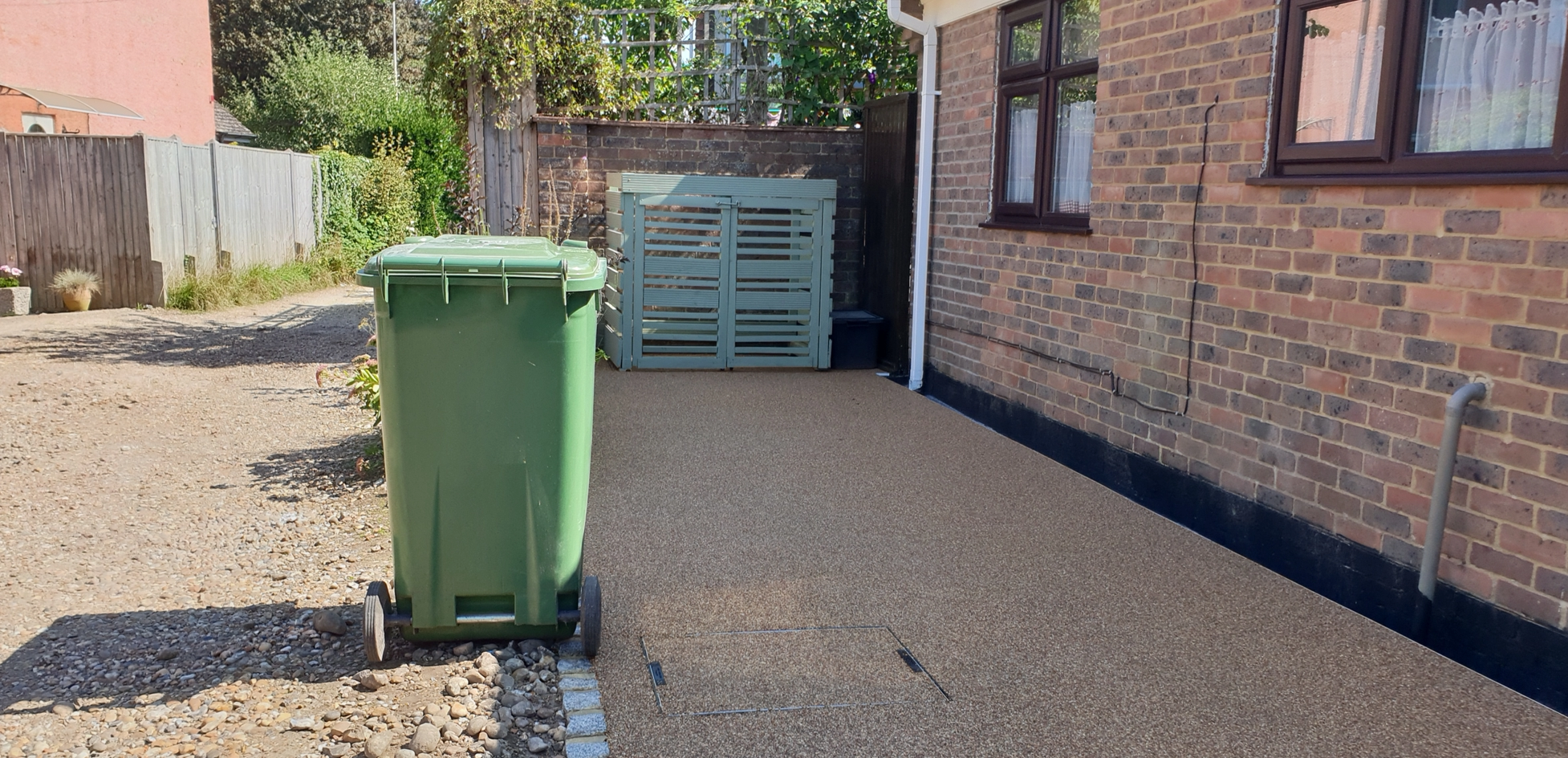
One of the standout environmental benefits of resin-bound driveways is their permeability. Unlike traditional impermeable surfaces like concrete or asphalt, resin-bound systems allow rainwater to drain naturally through the surface and into the ground below. This feature reduces surface water runoff, alleviates pressure on drainage systems, and helps prevent localized flooding. Additionally, the infiltration of rainwater supports groundwater recharge, contributing to the overall health of local water tables.
2. Use of Recycled and Natural Materials
Many resin-bound driveways incorporate recycled materials, such as crushed glass or recycled rubber, into the aggregate mix. This practice reduces the demand for virgin materials, conserves natural resources, and helps divert waste from landfills. Additionally, the aggregates used are often natural stones like gravel or quartz, which are locally sourced to minimize transportation emissions and support local economies.
3. Durability and Reduced Waste
Resin-bound driveways are known for their durability and long lifespan. Properly installed and maintained, they can last upwards of 15 to 25 years. This longevity reduces the frequency of replacements and the associated environmental impact of manufacturing, transportation, and installation of new materials. Moreover, the seamless nature of resin-bound surfaces minimizes the need for chemical treatments or intensive maintenance, further decreasing their environmental footprint.
4. Mitigation of Urban Heat Island Effect
The urban heat island effect occurs when urban areas experience higher temperatures than their rural surroundings due to human activities and the prevalence of heat-absorbing materials. Resin-bound driveways, especially those with lighter-coloured aggregates, can help mitigate this effect. These surfaces reflect more sunlight and allow air and water movement through the surface, helping to maintain cooler surrounding temperatures.
5. Low Maintenance and Chemical-Free Upkeep
Maintaining a resin-bound driveway typically requires minimal effort. Regular sweeping and occasional rinsing are usually sufficient to keep the surface clean. The impermeable nature of the surface prevents weed growth, reducing the need for herbicides or other chemical treatments. This not only lowers the environmental impact but also ensures a safer environment for pets, children, and local wildlife.
6. Considerations for Environmental Impact
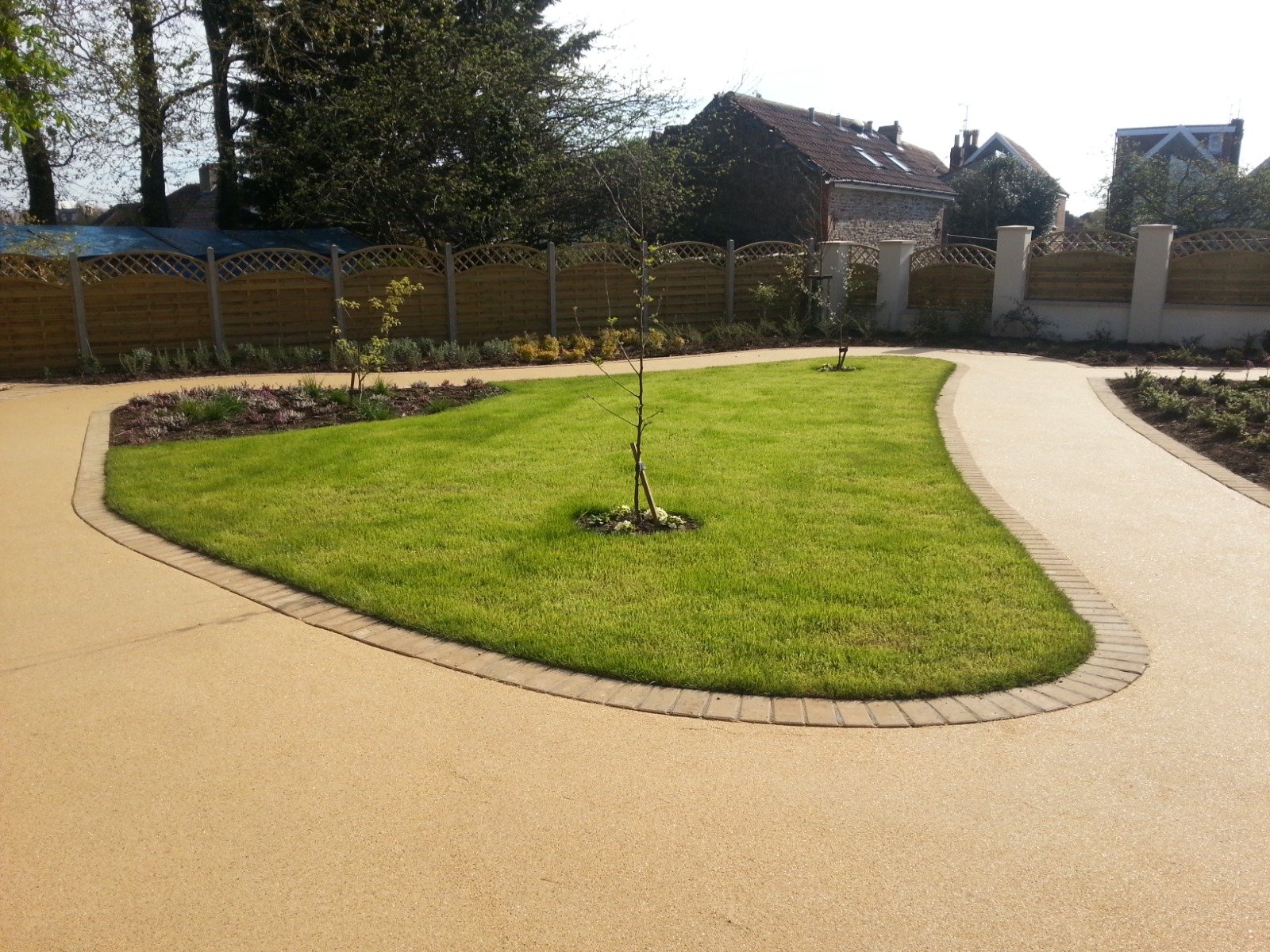
While resin-bound driveways offer several environmental benefits, it’s essential to consider the type of resin used. Some resins, such as epoxy, are derived from petrochemical sources and may have a higher environmental impact. Opting for natural or bio-based resins can further enhance the sustainability of the driveway. Additionally, proper installation is crucial; moisture during the curing process can cause issues like bubbling, which may compromise the surface’s integrity and longevity.
Conclusion
Resin-bound driveways present an eco-friendly alternative to traditional surfacing materials. Their permeability supports sustainable water management, and the use of recycled and natural materials reduces environmental impact. Combined with their durability and low maintenance requirements, resin-bound driveways offer a sustainable solution for homeowners seeking to enhance their property’s functionality and aesthetic appeal. By considering the type of resin used and ensuring proper installation, homeowners can maximize the environmental benefits of their resin-bound driveways.