





Can My Old Driveway Be Restored?
Yes, your existing resin driveway can often be restored to its former glory, depending on the extent of the damage. Whether it’s faded, cracked, or has loose stones, various repair and restoration methods can breathe new life into the surface without the need for a full replacement.
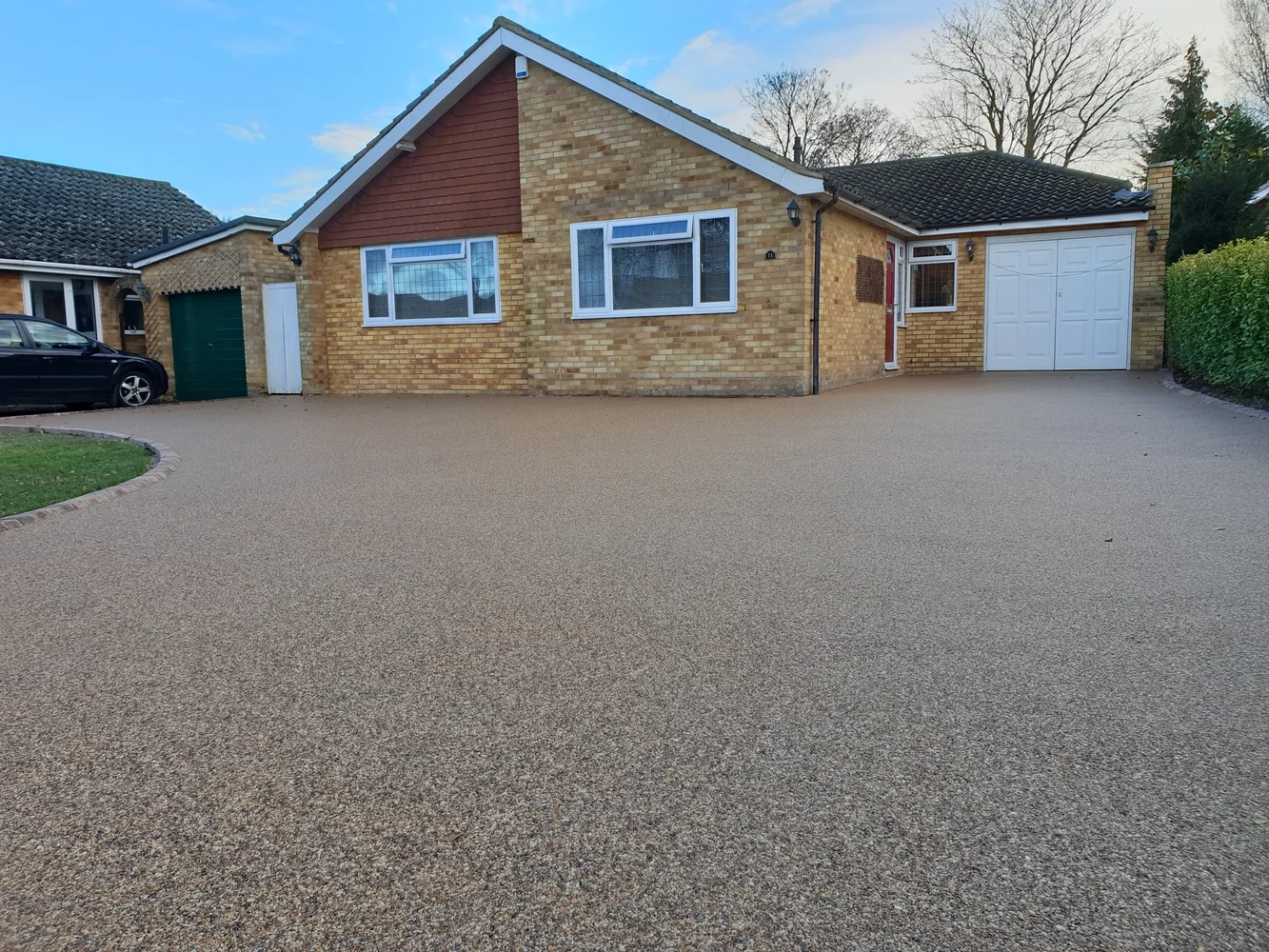
Common Issues and Restoration Methods
1. Fading and Discolouration
Over time, UV exposure and weathering can dull the vibrant colours of your resin driveway. To restore its appearance:
- Thorough Cleaning: Use a pressure washer on a gentle setting to remove dirt, algae, and surface grime. This reveals the true condition of the stones and ensures restoration products can bond effectively.
- Application of a Resin Sealant: Once dry, applying a high-quality, UV-resistant resin sealant can revitalise the existing colour. This acts as a protective layer, adding a fresh sheen and preventing future sun damage.
2. Cracks and Loose Stones
Cracks can occur due to ground movement, while loose stones (ravelling) may result from poor bonding during the original installation. To address these:
- Cleaning the Affected Area: Thoroughly sweep away debris and ensure the crack is free of loose material.
- Repairing Cracks: For small fissures, use a resin binder matched to your existing driveway. For larger cracks, create a V-shaped channel before filling with a resin and aggregate blend to ensure a structural bond.
- Re-bonding Loose Stones: Remove any fully detached stones and fill the void with fresh resin binder and matching aggregate, levelling it off to match the surrounding surface.
3. Weed Growth
While resin surfaces are naturally weed-resistant, seeds can occasionally germinate in surface debris. Treatment involves:
- Targeted Weed Killer: Apply an eco-friendly, diluted weed killer specifically safe for resin surfaces to kill growth without staining the binder.
DIY vs. Professional Restoration
Minor issues like surface staining or hair-line cracks can often be addressed with DIY kits. However, for extensive damage—such as structural sinking, significant “patches” of loose stone, or major fading—it is advisable to consult a professional. Professionals have the forced-action mixers and power-floats necessary to ensure a seamless and durable finish that blends with the original surface.
Maintenance Tips to Prevent Future Damage
Prevention is always more cost-effective than restoration. Keep your driveway in top shape with these steps:
- Regular Cleaning: Wash the driveway periodically to remove organic matter that could lead to moss or stains.
- Prompt Repair: Fix small chips or cracks immediately to prevent water from getting underneath the resin layer.
- Scheduled Resealing: Consider reapplying a protective UV-resistant topcoat every 3 to 5 years to maintain the “wet look” and structural integrity.
Conclusion
By identifying the specific issues affecting your resin driveway and applying the appropriate restoration methods, you can significantly extend its lifespan. Regular maintenance is the key to preserving the beauty of your driveway and ensuring it remains a durable asset for your property for decades to come.