





Top 10 Resin Driveway FAQs: Expert Answers for Homeowners
Resin driveways have become a popular choice for homeowners seeking a durable, aesthetically pleasing, and low-maintenance surfacing solution. To help you make an informed decision, we’ve compiled answers to the top 10 frequently asked questions about resin driveways.
1. What is a resin driveway?
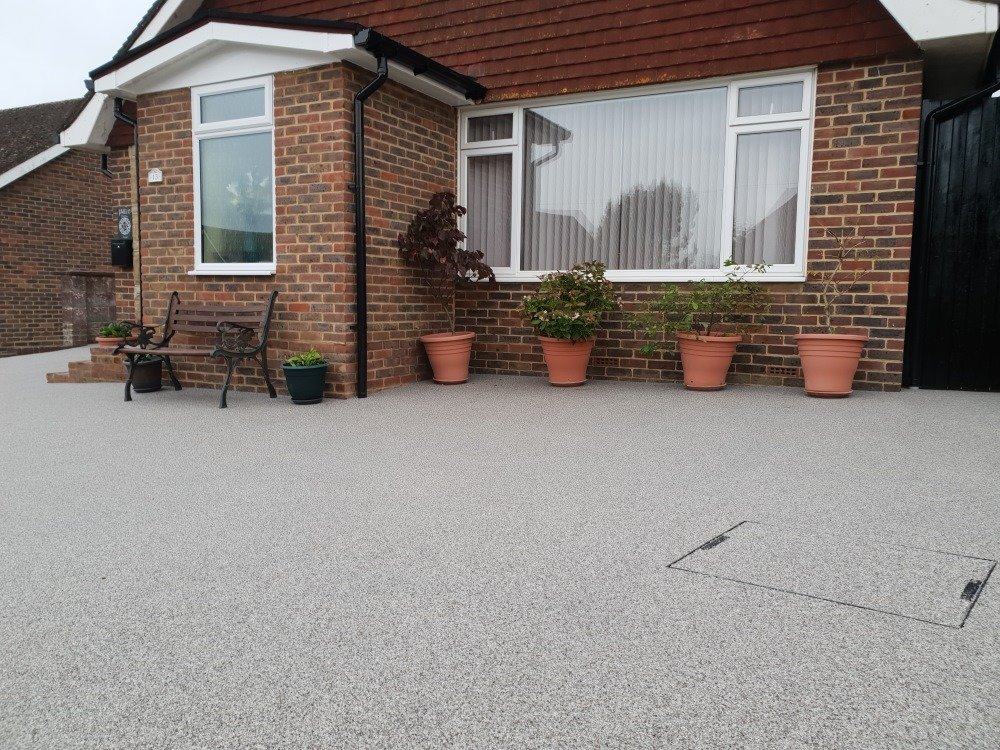
A resin driveway is a permeable surfacing system that combines natural aggregates (like gravel or stone) with a clear resin binder. The mixture is trowelled onto a prepared base, creating a smooth, durable, and visually appealing surface. There are two main types: resin bound (permeable) and resin bonded (non-permeable).
2. How long does a resin driveway last?
With proper installation and maintenance, a resin driveway can last up to 25 years. Regular cleaning and avoiding heavy vehicle loads can help prolong its lifespan.
3. Is a resin driveway permeable?
Yes, resin bound driveways are permeable. The design allows rainwater to drain through the surface and into the ground, reducing surface water runoff and complying with Sustainable Urban Drainage Systems (SuDS) regulations.
4. Do I need planning permission for a resin driveway?
In most cases, no. If your resin driveway is permeable and installed on a suitable base, it typically doesn’t require planning permission. However, it’s advisable to check with your local council, as regulations can vary.
5. Can I install a resin driveway over my existing surface?
Resin bound surfacing can be laid over existing concrete or tarmac surfaces, provided they are stable and in good condition. However, surfaces like block paving or crazy paving are not suitable due to potential movement that could cause cracking.
6. How do I maintain a resin driveway?
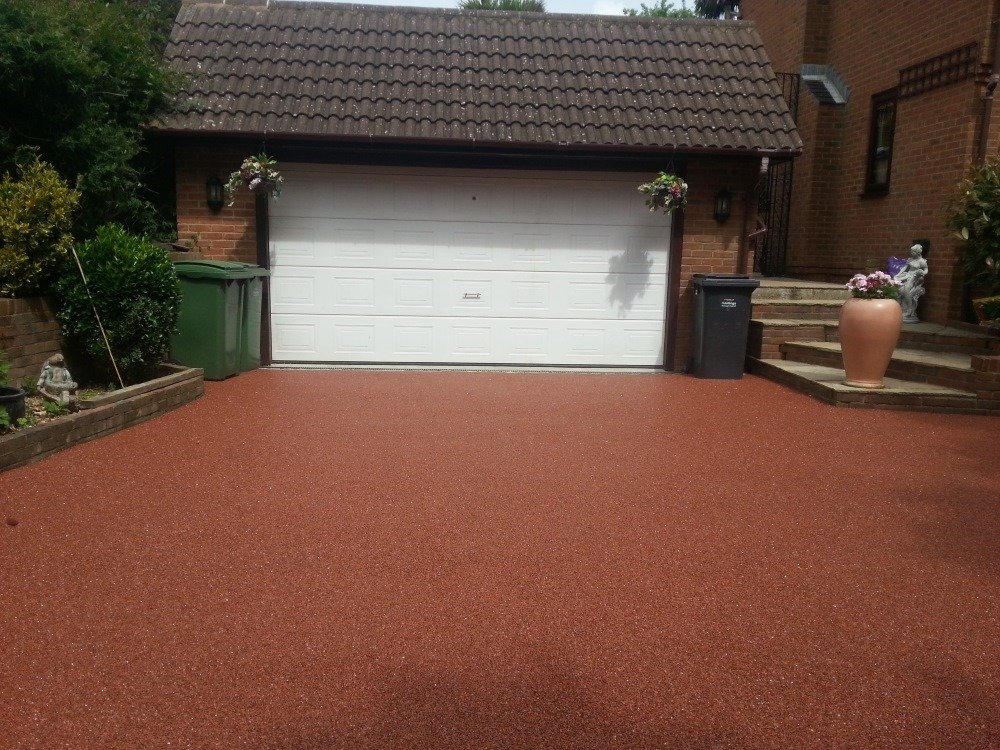
Maintaining a resin driveway is relatively simple:
- Regularly sweep to remove debris.
- Use a pressure washer (up to 150 bar) for stubborn stains.
- Avoid using harsh chemicals that could damage the surface.
- For areas with heavy traffic, consider periodic resealing.
Proper maintenance ensures the longevity and appearance of your driveway.
7. Are resin driveways prone to cracking?
When installed correctly on a stable base, resin driveways are resistant to cracking. Cracking typically occurs due to movement in the underlying surface or improper installation. Ensuring a solid foundation is key to preventing such issues.
8. Can I park my motorhome on a resin driveway?
Yes, resin driveways can support vehicles, including motorhomes, provided the surface is laid to the appropriate depth (typically 18–20mm) and the base is strong enough to handle the weight. For very heavy vehicles, it’s advisable to consult with a professional installer.
9. Will weeds grow through a resin driveway?
Weeds are unlikely to grow through a properly installed resin bound driveway due to its permeability and the lack of gaps for seeds to take root. However, occasional seedlings may appear and can be easily removed by hand.
10. How much does a resin driveway cost?
The cost of a resin driveway varies based on factors like size, materials, and site preparation. On average, prices range from £40 to £100 per square meter. It’s recommended to obtain multiple quotes from reputable installers to ensure competitive pricing.
Conclusion
Resin driveways offer a durable, aesthetically pleasing, and low-maintenance solution for homeowners. By understanding the answers to these frequently asked questions, you can make an informed decision about whether a resin driveway is the right choice for your property.