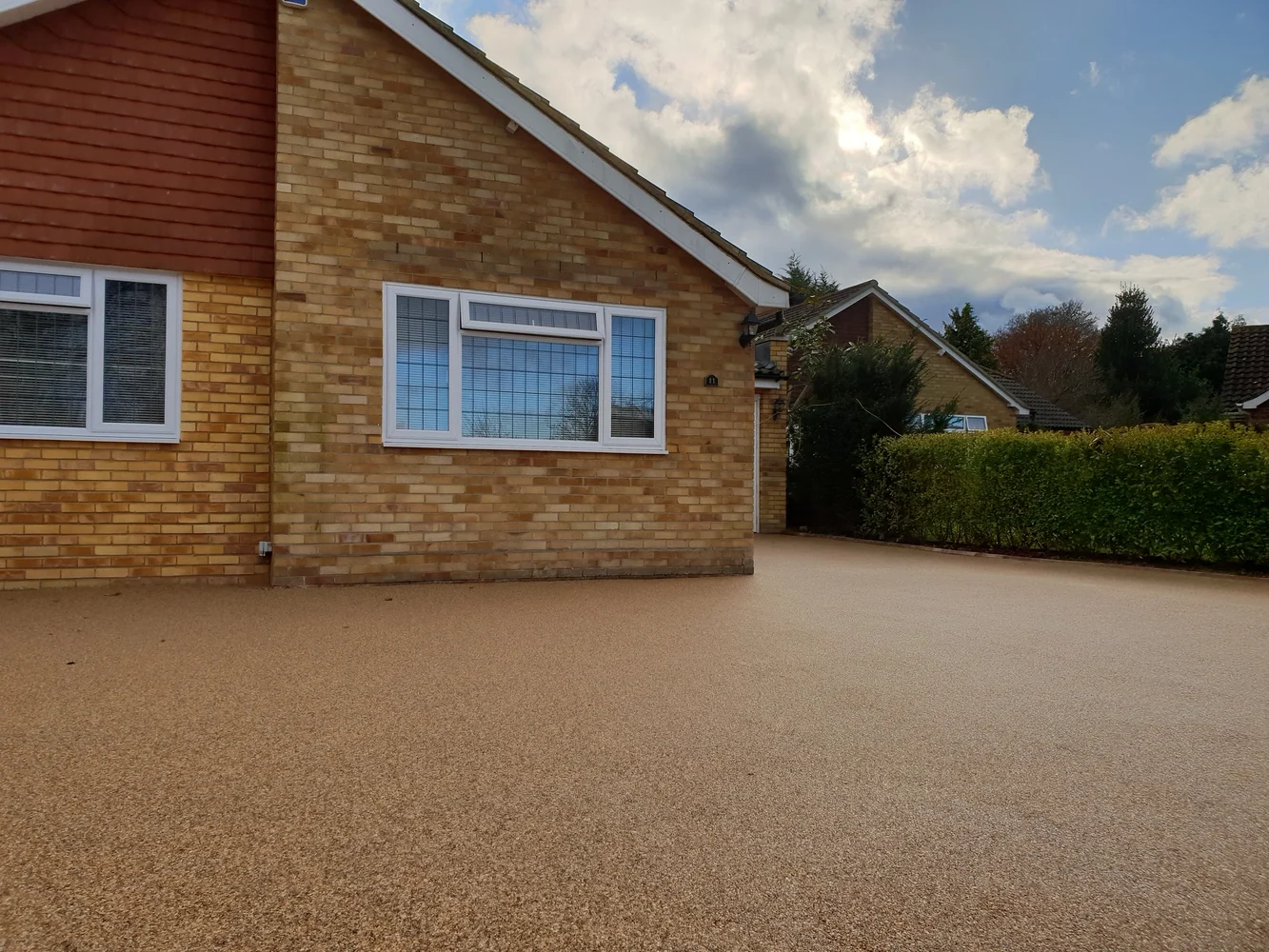





Resin Driveways vs. Concrete Driveways: A Comprehensive Comparison
When considering driveway materials, homeowners often weigh the benefits and drawbacks of resin-bound and concrete surfaces. Both options offer distinct advantages, but understanding their differences can help you make an informed decision tailored to your needs.
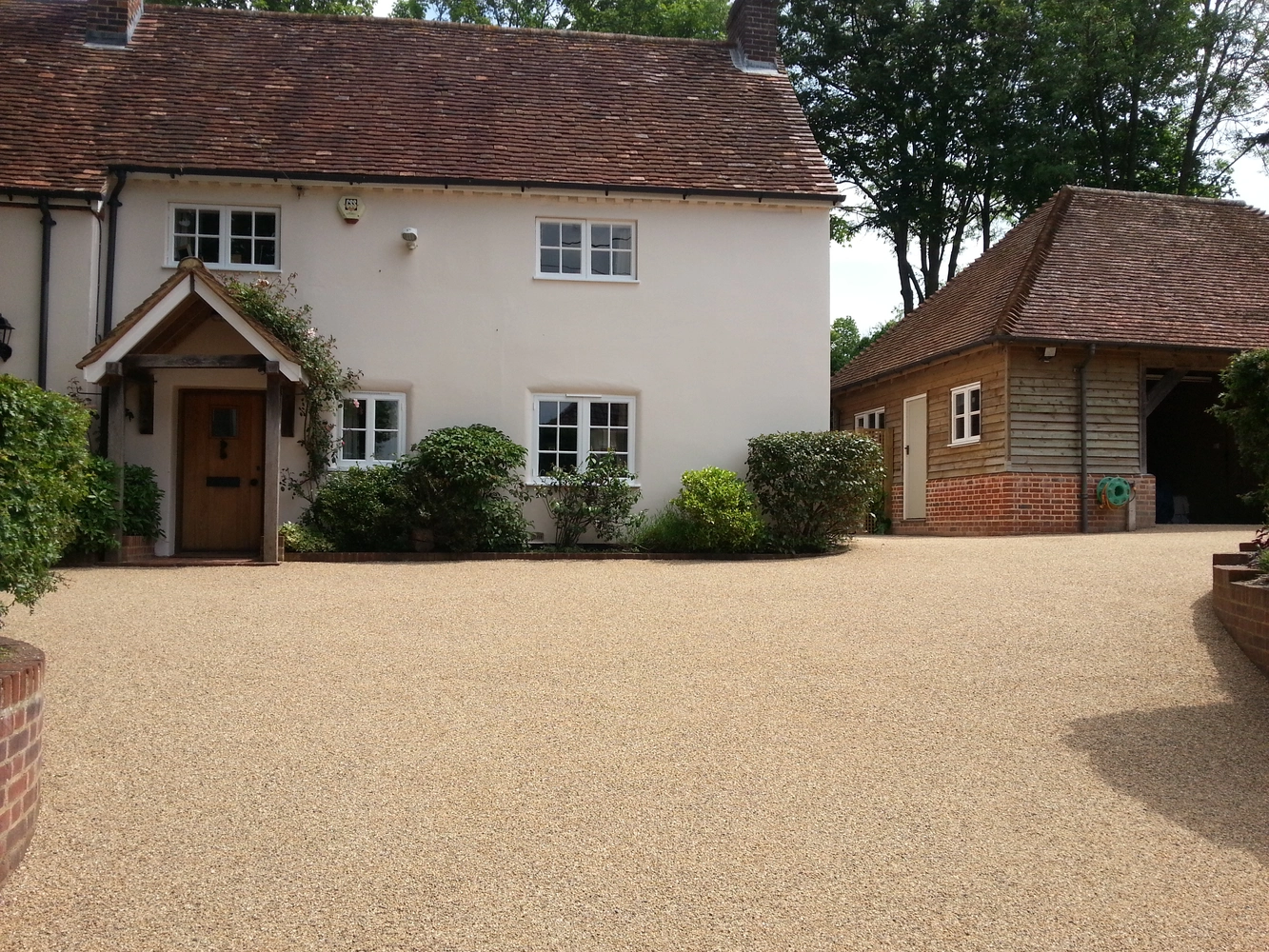
Durability & Maintenance
Resin Driveways:
- Longevity: Typically last between 15 to 25 years with proper maintenance.
- Maintenance: Low maintenance; requires occasional sweeping and pressure washing.
- Resilience: Resistant to cracking, UV degradation, and wear from everyday traffic.
Concrete Driveways:
- Longevity: Can endure for 30 to 40 years, depending on care.
- Maintenance: Requires resealing every 2–3 years to prevent moisture damage.
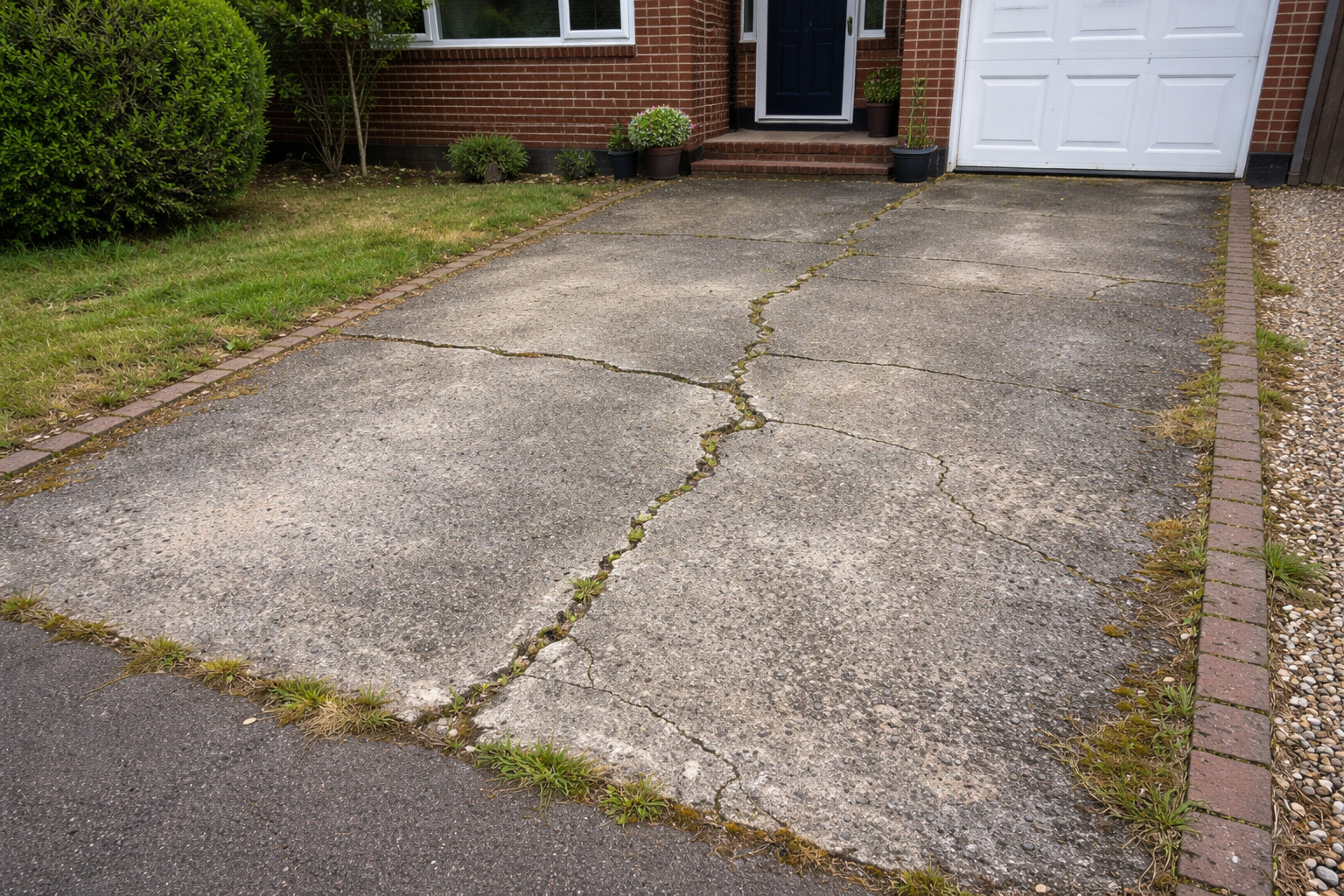
- Resilience: Prone to cracking from freeze-thaw cycles and staining from chemicals.
Aesthetic Appeal & Customization
Resin Driveways:
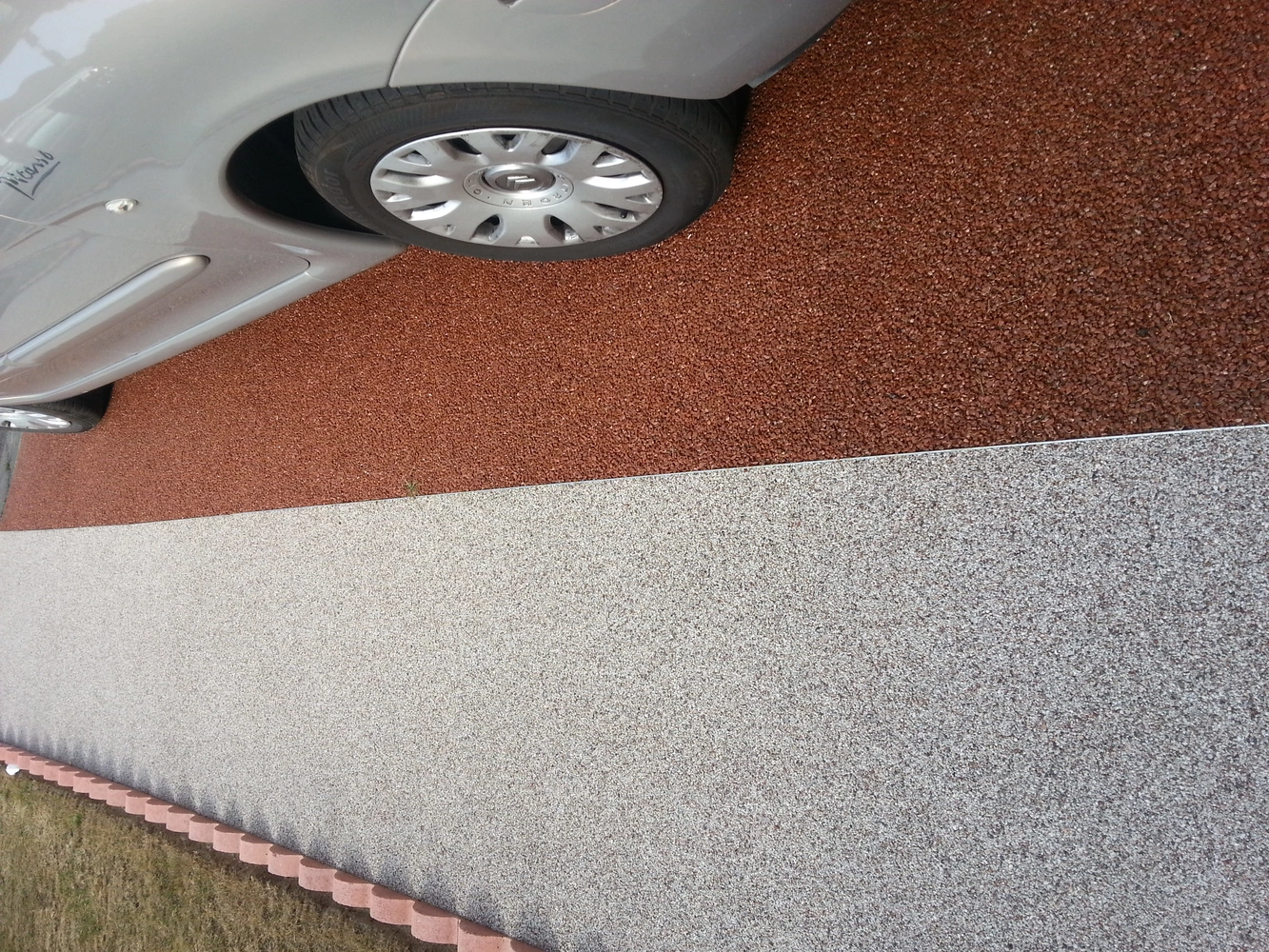
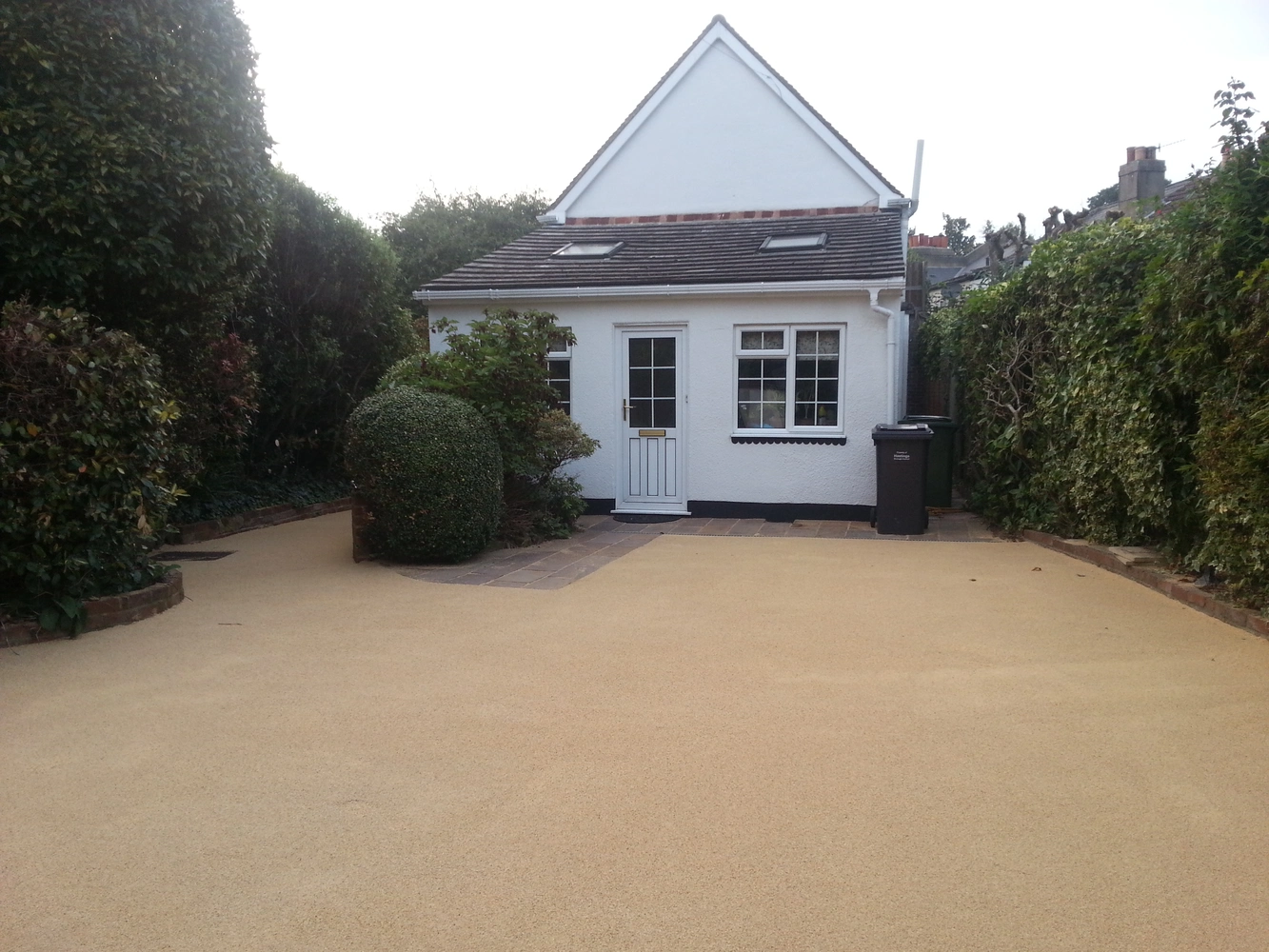
- Design Flexibility: Available in a wide range of colours and finishes, allowing for bespoke designs.
- Surface Texture: Provides a smooth, seamless finish with no loose stones.
- Suitability: Ideal for modern homes seeking a contemporary look.
Concrete Driveways:
- Design Flexibility: Can be stamped, stained, or coloured to mimic other materials.
- Surface Texture: Offers a solid, monolithic surface.
- Suitability: Suitable for various architectural styles, though may appear more traditional.
Drainage & Environmental Impact
Resin Driveways:
- Permeability: Highly permeable, allowing water to drain through, reducing surface runoff.
- Environmental Benefit: Helps mitigate flooding and complies with Sustainable Urban Drainage Systems (SuDS) regulations.
Concrete Driveways:
- Permeability: Generally non-permeable; may require additional drainage solutions.
- Environmental Impact: Higher carbon footprint due to cement production; may contribute to surface water runoff.
Cost Considerations
Resin Driveways:
- Installation Cost: Typically ranges from £80 to £250 per square metre, depending on design complexity and materials used.
- Long-Term Value: Lower maintenance costs can offset higher initial investment.
Concrete Driveways:
- Installation Cost: Generally ranges from £50 to £100 per square metre.
- Long-Term Value: Potential for higher maintenance costs due to resealing and repairs.
Pros & Cons Summary
| Feature | Resin Driveways | Concrete Driveways |
|---|---|---|
| Durability | High; resistant to cracking and wear | High; may crack over time |
| Maintenance | Low; easy to clean | Moderate; requires resealing |
| Aesthetics | Customisable; modern finish | Versatile; traditional appearance |
| Drainage | Permeable; SuDS compliant | Non-permeable; may need drainage |
| Environmental | Lower carbon footprint | Higher carbon footprint |
| Cost | Higher initial; lower upkeep | Lower initial; higher upkeep |
Conclusion
Choosing between a resin and concrete driveway depends on your priorities:
- Opt for a resin driveway if you value modern aesthetics, low maintenance, and environmental benefits.
- Choose a concrete driveway if you’re seeking a cost-effective solution with traditional appeal and are prepared for regular maintenance.
Consider consulting with a professional installer to assess your specific needs and ensure the best choice for your property.