





Are Resin Driveways Maintenance-Free and Weed-Resistant?
Introduction
Resin driveways have gained popularity among homeowners seeking a durable, aesthetically pleasing, and low-maintenance solution for their outdoor spaces. One of the most frequently asked questions is whether these driveways are truly maintenance-free and resistant to weed growth. This article delves into the characteristics of resin driveways, addressing common concerns and providing practical maintenance tips to ensure longevity and visual appeal.
Understanding Resin Driveways
Resin driveways are constructed using two primary methods: resin-bound and resin-bonded systems.
- Resin-Bound Systems: Involves mixing natural aggregates with a clear, UV-stable resin binder. The mixture is then trowelled onto a prepared base, creating a smooth, permeable surface.
- Resin-Bonded Systems: A layer of resin is applied to the base, and loose aggregates are scattered on top. This method results in a textured surface but is less commonly used for driveways due to its non-permeable nature.
The permeability of resin-bound systems allows water to drain through the surface, reducing surface water runoff and aiding in flood prevention.
Weed Resistance in Resin Driveways
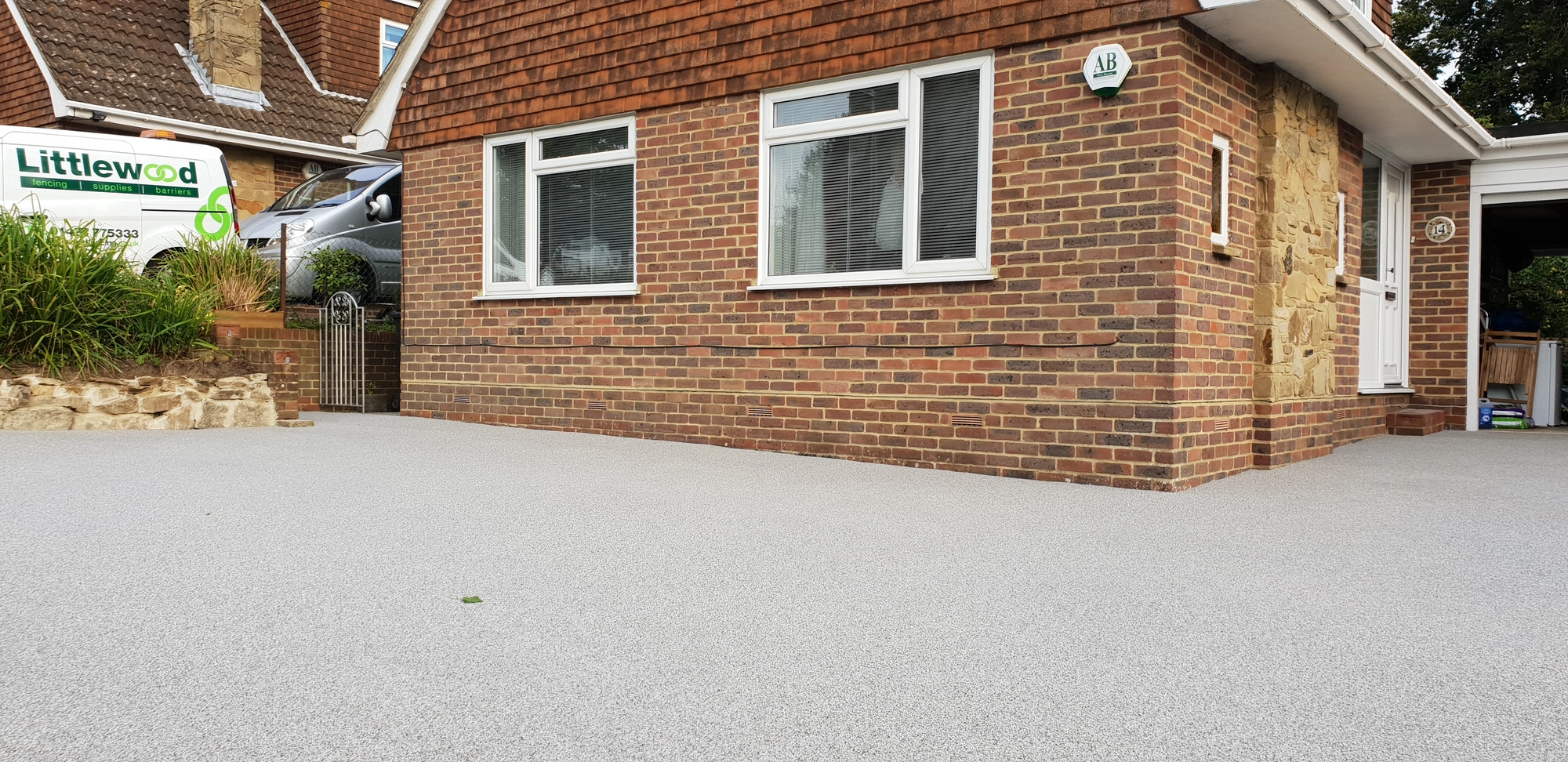
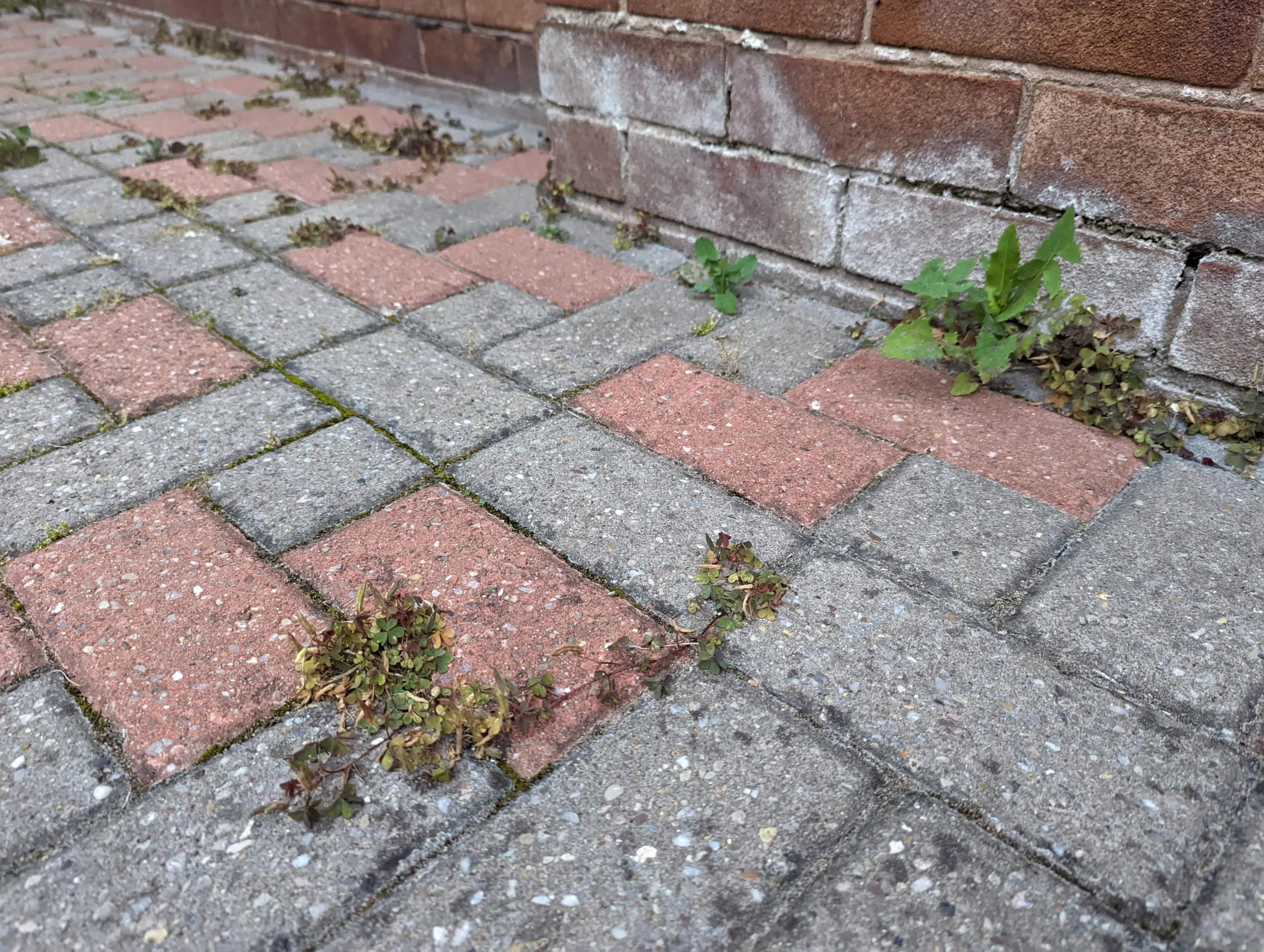
While resin-bound driveways are designed to be weed-resistant, they are not entirely immune to weed growth. The seamless surface minimizes the chances of weeds growing through from the sub-base. However, airborne seeds can land on the surface and, under favourable conditions, may germinate.
Factors Influencing Weed Growth
- Seed Dispersal: Wind, birds, and animals can introduce seeds onto the driveway surface.
- Organic Debris: Accumulation of leaves, soil, and other organic matter can provide a conducive environment for seed germination.
- Edge Areas: The edges of the driveway, where the resin meets soil or grass, are more susceptible to weed growth due to potential gaps or accumulation of organic material.
According to industry experts, while resin-bound surfaces are generally weed-resistant, weeds may begin to grow if seeds are embedded in the ground below the resin layer—especially if a proper weed barrier was not installed before the resin application. Additionally, airborne seeds can lodge in small crevices near the edges, leading to potential growth.
Maintenance Requirements
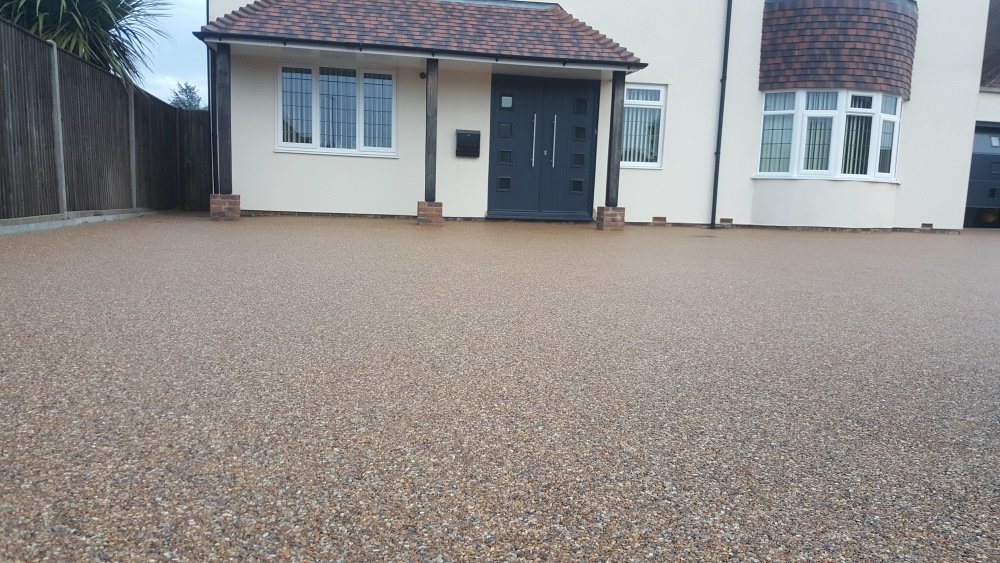
While resin driveways are low-maintenance, they are not entirely maintenance-free. Regular upkeep ensures the driveway remains in optimal condition and extends its lifespan.
Recommended Maintenance Practices
- Regular Sweeping: Use a stiff brush to remove leaves, dirt, and other debris. This prevents organic matter buildup that can promote weed growth.
- Jet Washing: Periodically clean the surface with a low-pressure jet washer to remove stubborn dirt and prevent algae or moss growth.
- Weed Control: In the event of weed growth, manually remove weeds by pulling them out, ensuring the entire root is extracted. For persistent weeds, apply a diluted, environmentally-friendly herbicide.
- Edge Maintenance: Regularly inspect and maintain the edges of the driveway, as these areas are more susceptible to weed infiltration.
- Stain Removal: Promptly clean any spills, such as oil or brake fluid, using appropriate cleaning agents to prevent staining.
Environmental Considerations
Resin-bound driveways are designed with permeability in mind, allowing water to drain through the surface and into the ground. This feature helps in managing surface water runoff and supports sustainable urban drainage systems (SuDS).
However, environmental factors such as humidity, shade, and organic matter accumulation can promote the growth of moss or algae on the surface. Regular maintenance, including cleaning and appropriate treatments, can mitigate these issues and maintain the driveway’s appearance.
Conclusion
Resin driveways offer a durable, aesthetically pleasing, and low-maintenance solution for homeowners. While they are designed to be weed-resistant, occasional maintenance is required to prevent and address weed growth. By implementing regular upkeep practices, homeowners can ensure their resin driveway remains in excellent condition, enhancing the property’s curb appeal and functionality.
Note: The information provided is based on the latest available data and best practices in the industry. Always consult with a professional installer for personalized advice and services.