





Are Resin Driveways Permeable?
Introduction
When considering a resin driveway, one of the most important questions homeowners ask is whether these surfaces are permeable. Given the increasing concerns around flood prevention and the growing emphasis on sustainable construction, understanding the permeability of resin driveways is crucial. Resin driveways are known for their durability and aesthetic appeal, but their environmental benefits—especially permeability—are one of the main reasons they stand out.
This article will explore the permeability of resin driveways, how they help manage surface water, and why they are an excellent choice for homeowners concerned about drainage and sustainability.
What Makes Resin Driveways Permeable?
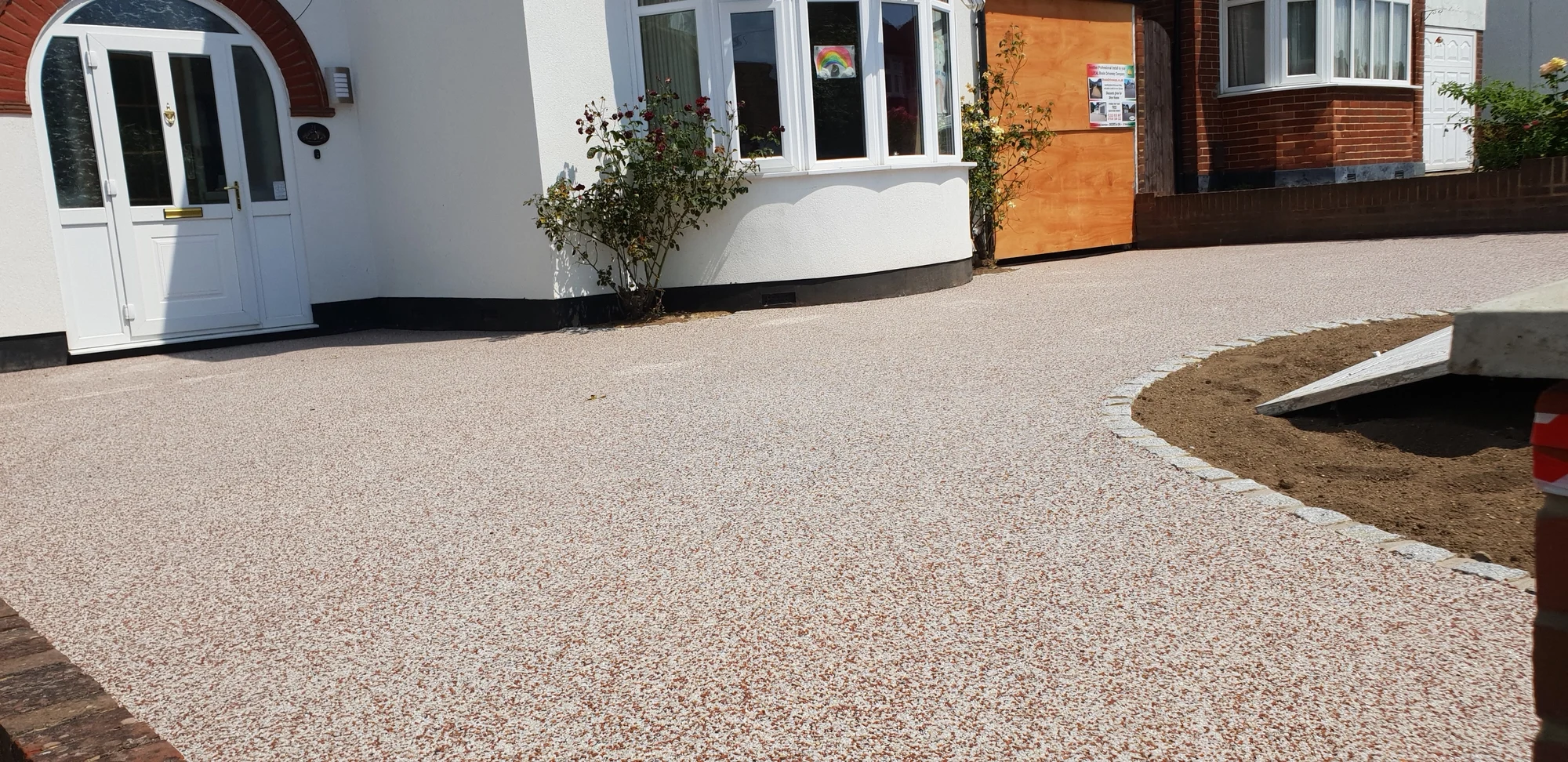
The permeability of a resin driveway comes from the specific installation method used, particularly in resin-bound systems. In this system, the driveway is created by mixing natural aggregates like gravel or stone with a clear, UV-stable resin binder. The mixture is then spread over the base to form a smooth, even surface.
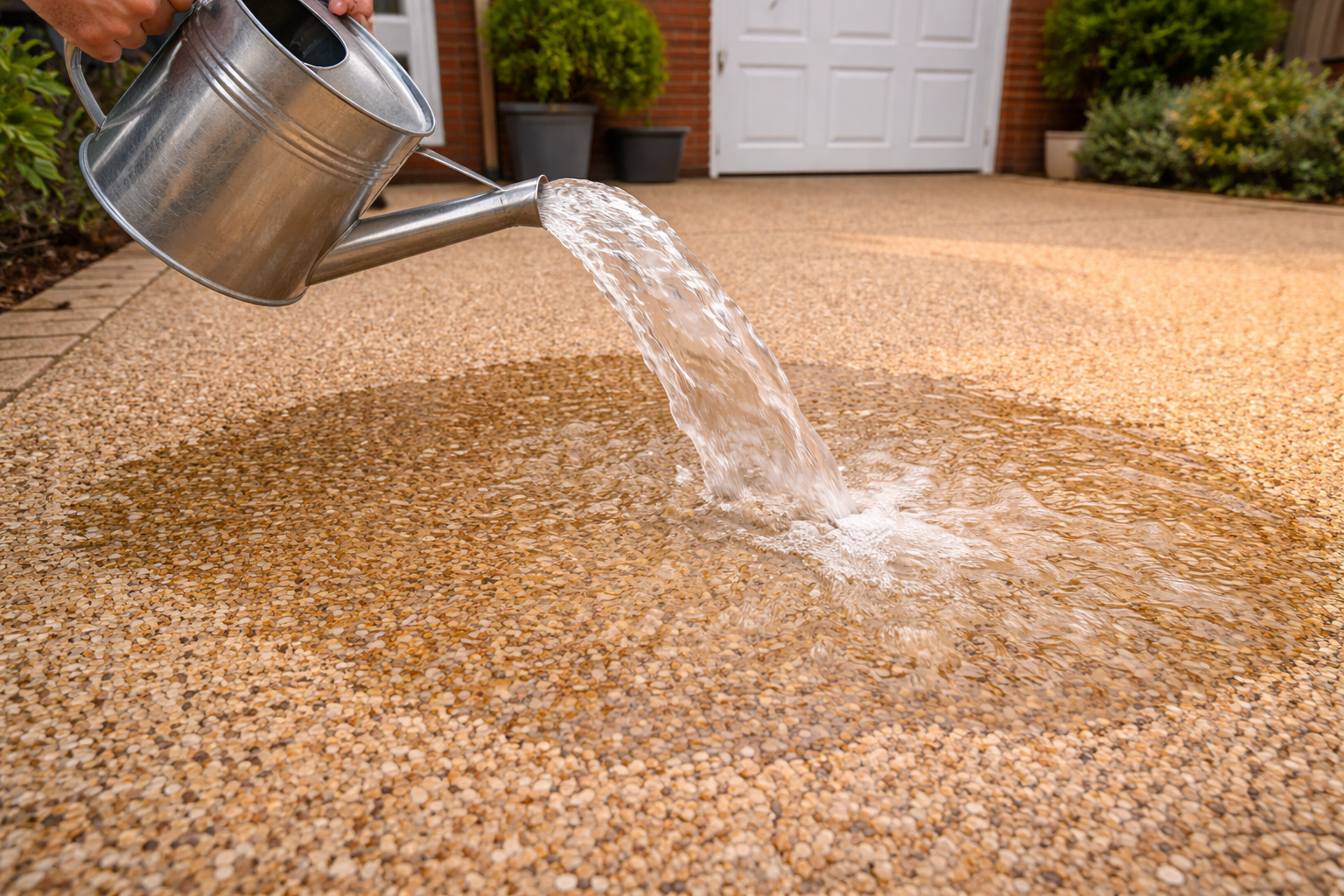
The real magic lies in the structure of the mixture: the aggregates are spaced in such a way that tiny gaps remain between the stones, allowing rainwater to flow through the surface and into the ground below.
Resin-Bound vs Resin-Bonded
It’s important to distinguish between resin-bound and resin-bonded systems, as only resin-bound systems are truly permeable.
- Resin-Bound System: Aggregates are mixed with resin before being applied to the base, creating a solid, smooth surface with spaces between the aggregates. This method allows water to pass through freely.
- Resin-Bonded System: In this system, resin is spread over a base, and loose aggregates are scattered on top. The surface, while textured and durable, does not allow water to penetrate, making it non-permeable.
For a truly permeable surface, it’s essential to choose a resin-bound system, as it meets Sustainable Urban Drainage Systems (SuDS) standards, helping to manage water runoff and prevent flooding.
Environmental Benefits of Permeable Resin Driveways
One of the standout features of resin-bound driveways is their environmental impact. Here’s how permeability benefits both the driveway and the surrounding environment:
- Reduced Flood Risk: By allowing water to drain through the surface, resin-bound driveways help reduce the risk of flooding. This prevents water from pooling and entering stormwater systems, reducing strain on urban infrastructure.
- Groundwater Recharge: Water that passes through the resin surface replenishes local groundwater supplies, which is vital for maintaining natural water reserves.
- SuDS Compliance: Resin-bound systems comply with Sustainable Urban Drainage Systems (SuDS) regulations, ensuring that driveways contribute to the natural flow of water and help mitigate the environmental impact of development.
How Proper Installation Ensures Permeability
The permeability of a resin driveway is not only a result of the material but also the installation method. For the driveway to remain permeable over time, several key factors must be considered:
- Base Preparation: The sub-base must be stable, permeable, and compacted to allow for water movement. Without a well-prepared base, the permeability of the surface could be compromised.
- Aggregate Selection: Larger aggregates with more gaps between them are preferred for maintaining permeability, while finer materials might reduce the flow of water.
- Thickness of the Resin Layer: A typical resin-bound layer is about 18-20mm deep. This depth balances aesthetic finish with functional permeability.
- Edge Restraints: Proper restraints prevent aggregates from shifting, ensuring the integrity and drainage capability of the surface remains intact.
Benefits of Permeability for Homeowners
Choosing a permeable resin-bound driveway offers numerous advantages beyond environmental protection:
- Flood Prevention: Drastically reduces surface runoff and the risk of localized flooding on your property.
- Reduced Maintenance: Permeable surfaces are less prone to damage from standing water, which helps prevent cracks, moss, and algae growth.
- Improved Aesthetics: Homeowners can choose from a wide range of colors and aggregate mixes to create a custom, visually appealing look.
- Sustainability: By choosing a SuDS-compliant surface, you contribute to modern water management goals and eco-friendly urban development.

Conclusion
Resin driveways, specifically resin-bound systems, are not only a stylish and durable option but also a highly practical one when it comes to managing surface water. Their permeability allows for water drainage, reducing flood risks, replenishing groundwater supplies, and helping homeowners comply with SuDS regulations. Proper installation is key to ensuring that the resin driveway remains permeable and performs at its best for many years to come.
Note: Ensure you work with an experienced installer to get the most out of your resin-bound driveway. Proper installation ensures longevity, permeability, and a stunning finish.