





Resin Driveway vs. Block Paving: Which Is the Better Choice?
When considering a new driveway, homeowners often face the decision between a resin-bound surface and traditional block paving. Both options have their merits, but understanding their differences can help you make an informed choice that aligns with your preferences and practical needs.
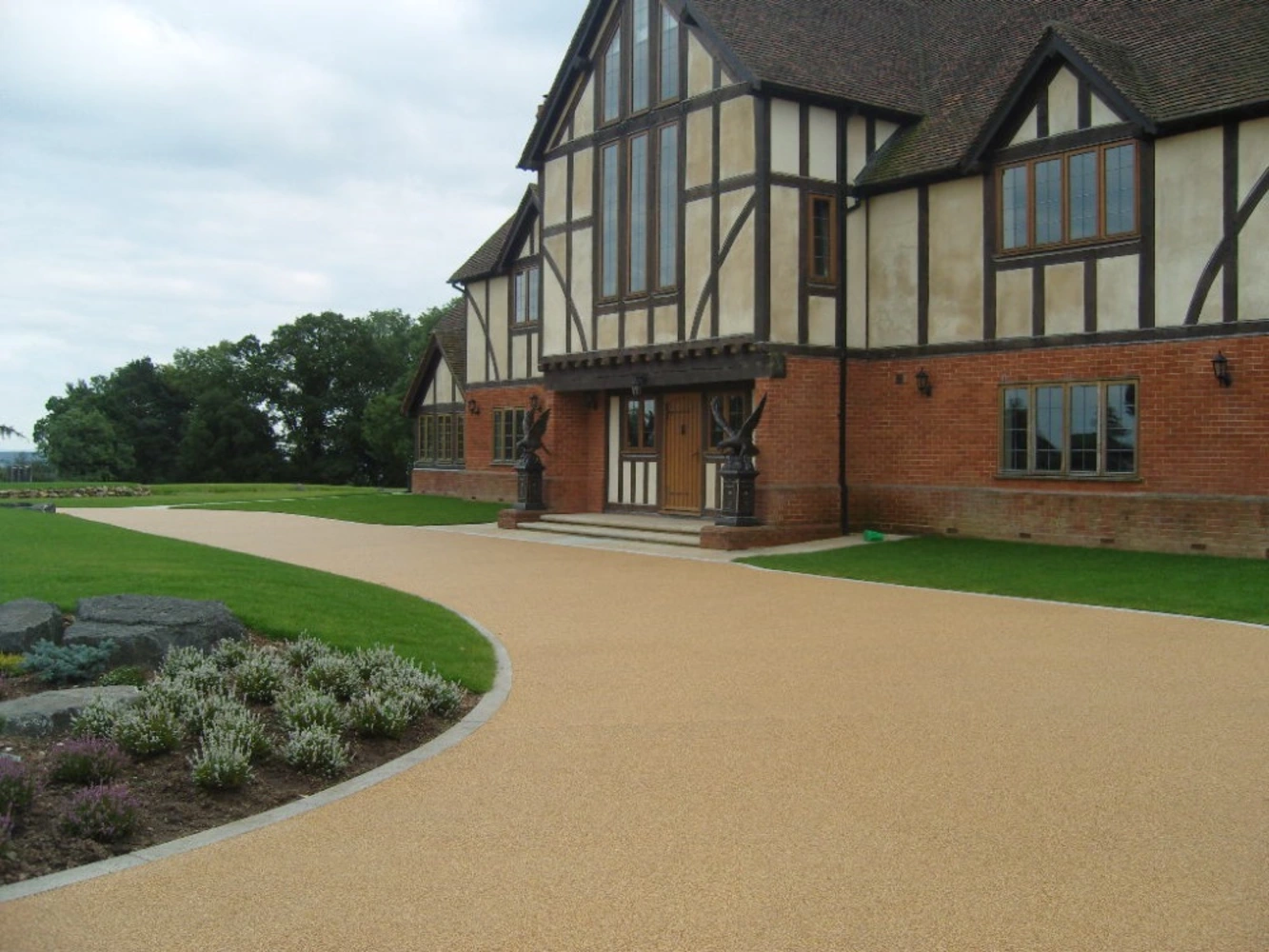
Aesthetic Appeal
Resin Driveways:
- Seamless Finish: Offers a smooth, continuous surface without joints, providing a modern and sleek appearance.
- Design Versatility: Available in a wide range of colours and textures, allowing for bespoke designs that can complement any property style.
- Enhanced Curb Appeal: The uniform finish and vibrant colours can significantly enhance the visual appeal of your home.
Block Paving:
- Traditional Look: Provides a classic, textured surface with the ability to create intricate patterns and designs.
- Variety of Styles: Offers a broad selection of shapes, sizes, and colours, enabling customization to suit various architectural styles.
- Timeless Appeal: The interlocking nature of blocks can give a timeless and robust aesthetic.
Durability and Maintenance
Resin Driveways:
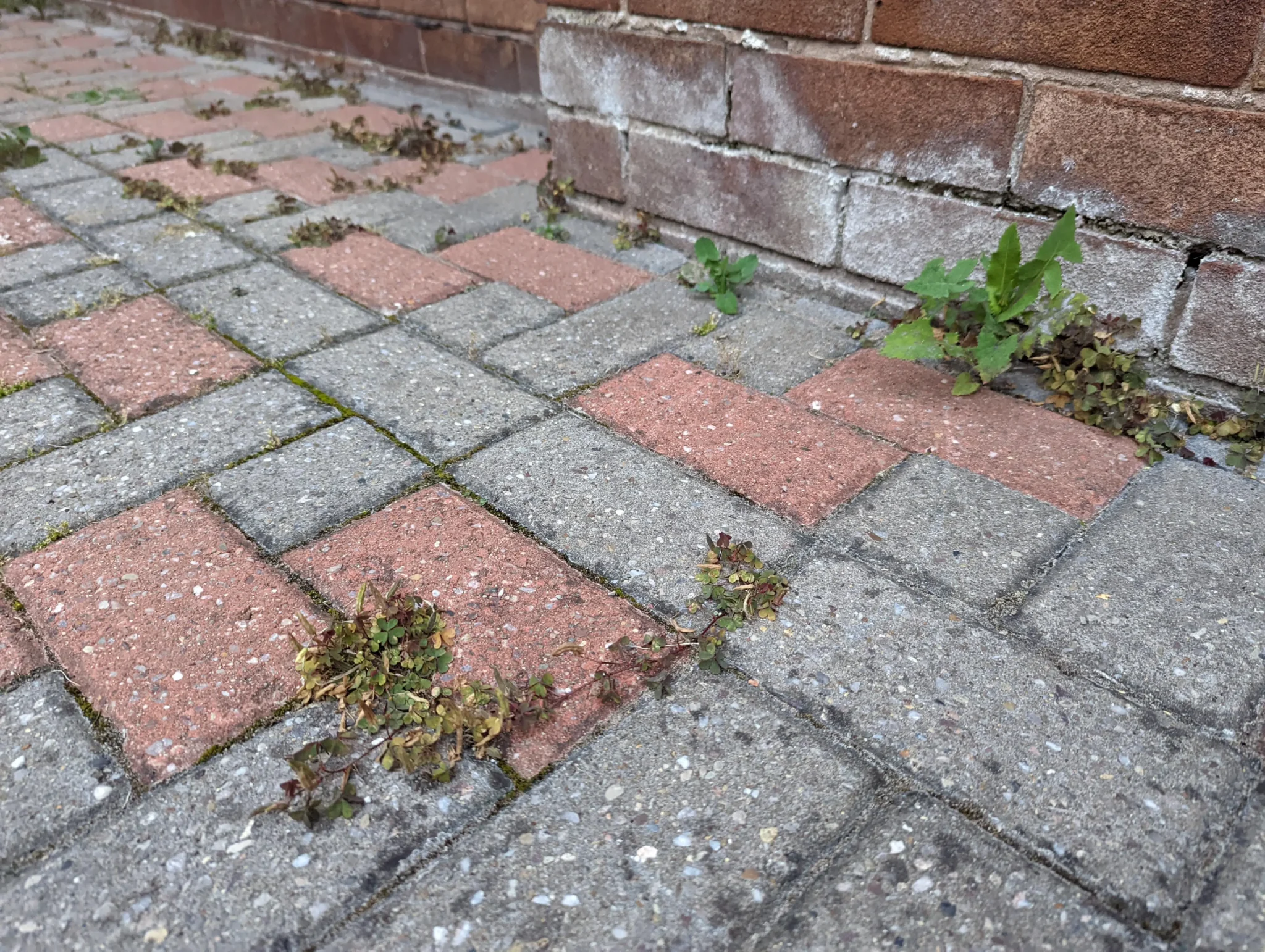
- Low Maintenance: The seamless surface reduces weed growth and requires minimal upkeep, typically only occasional sweeping and hosing.
- Durability: Resin-bound driveways are resistant to cracking and can withstand typical residential traffic.
- Potential Limitations: Under heavy vehicular load, especially from large vehicles, resin surfaces may be more susceptible to wear.
Block Paving:
- High Durability: When installed correctly, block paving can endure heavy loads and last for decades.
- Maintenance Needs: Requires periodic re-sanding of joints and occasional sealing to prevent weed growth and maintain appearance.
- Repairability: Individual blocks can be replaced if damaged, making localized repairs straightforward.
Drainage and Environmental Impact
Resin Driveways:
- Permeable Surface: Designed to allow water to drain through, reducing surface water runoff and complying with Sustainable Urban Drainage Systems (SuDS) regulations.
- Environmental Benefits: Helps in replenishing groundwater and reducing the risk of flooding.
Block Paving:
- Semi-Permeable: Traditional block paving can be permeable if laid with wider joints and on a suitable base, allowing water to pass through.
- Drainage Considerations: Without proper installation, some block paving can become impermeable, leading to water pooling and potential flooding.
Cost Comparison
Resin Driveways:
- Installation Costs: Generally, resin-bound driveways have a higher initial cost due to material and professional installation requirements.
- Long-Term Savings: Lower maintenance costs over time can offset the initial investment.
Block Paving:
- Upfront Costs: Typically lower initial costs, especially with standard concrete blocks.
- Ongoing Expenses: May incur additional costs for maintenance, such as re-sanding and sealing.
Final Verdict
The choice between a resin driveway and block paving depends on your specific needs and preferences:
Choose Resin Driveways if you prioritize:
- A modern, seamless appearance with a wide range of design options.
- Low maintenance and permeability for effective drainage.
- Long-term durability with minimal upkeep.
Choose Block Paving if you value:
- Traditional aesthetics with customizable patterns.
- High durability under heavy loads and ease of repair.
Both options offer distinct advantages, and your decision should align with your budget, aesthetic preferences, and maintenance willingness. Consulting with a professional installer can provide personalized insights tailored to your property’s requirements.