





Comprehensive Guide to Resin Driveway Types: Bound vs. Bonded
Resin driveways have become a preferred choice for homeowners seeking durable, aesthetically pleasing, and low-maintenance surfacing solutions. Understanding the two primary types—Resin Bound and Resin Bonded—is essential for making an informed decision that aligns with your property’s needs and your personal preferences.
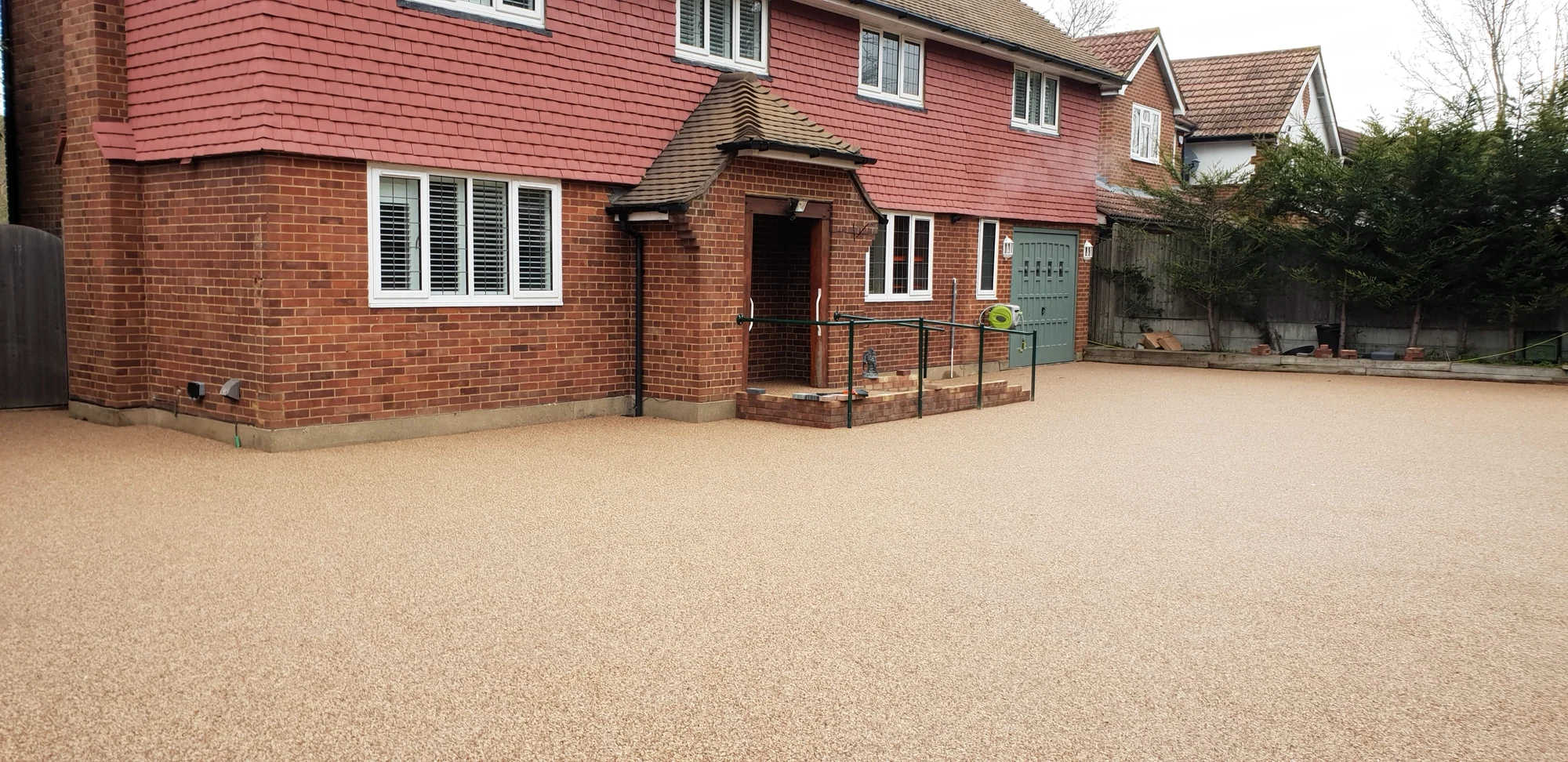
1. Resin Bound Driveways
What Is Resin Bound?
A Resin Bound driveway involves mixing natural aggregates with a clear, UV-stable resin binder to create a smooth, permeable surface. This system is applied onto a prepared base, resulting in a seamless finish without loose stones. Because the stone is fully encapsulated in the resin, it remains incredibly strong while staying porous.
Key Features:
- Permeability: Allows water to drain through, reducing surface water runoff and complying with Sustainable Urban Drainage Systems (SuDS) regulations.
- Smooth Finish: Provides an even, flat surface suitable for high-traffic areas and wheelchair access.
- Aesthetic Flexibility: Available in a wide range of colours and finishes to complement various architectural styles.
- Durability: Resistant to cracking and UV degradation, especially when using UV-stable resins.
Ideal Applications:
- Driveways: Offers a clean, modern look with excellent drainage properties.
- Paths and Patios: Enhances outdoor spaces with a cohesive appearance.
- Public Areas: Suitable for pedestrian zones requiring durability and aesthetic appeal.
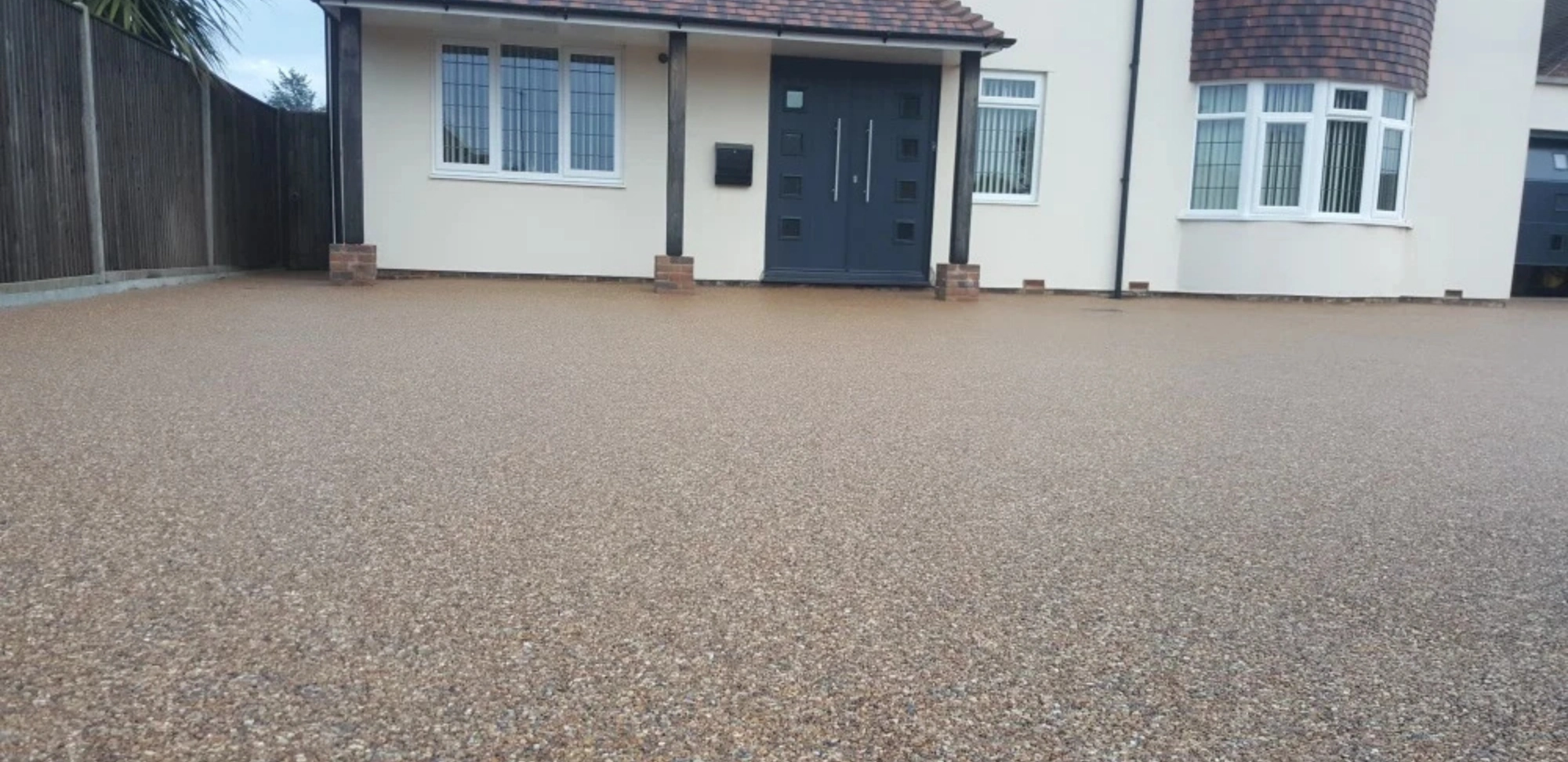
2. Resin Bonded Driveways
What Is Resin Bonded?
In a Resin Bonded system, a layer of resin is applied to a prepared surface, and aggregates are scattered on top. This method creates a textured, non-permeable surface that mimics the appearance of loose gravel without the associated issues of stones being kicked around or moved.
Key Features:
- Textured Finish: Provides a rough surface that significantly enhances slip resistance.
- Non-Permeable: Water cannot drain through the surface; suitable drainage solutions must be implemented to manage runoff.
- Quick Installation: Generally faster to install compared to resin bound systems as it is essentially a “scatter” method.
- Cost-Effective: Typically less expensive than resin bound systems due to lower material and labor requirements.
Ideal Applications:
- Ramps and Slopes: Offers increased grip, making it suitable for areas requiring enhanced slip resistance.
- Driveways: Provides a traditional look with a textured finish for those who prefer the “crunch” of gravel without the mess.
- Paths: Suitable for walkways where slip resistance is the primary priority.
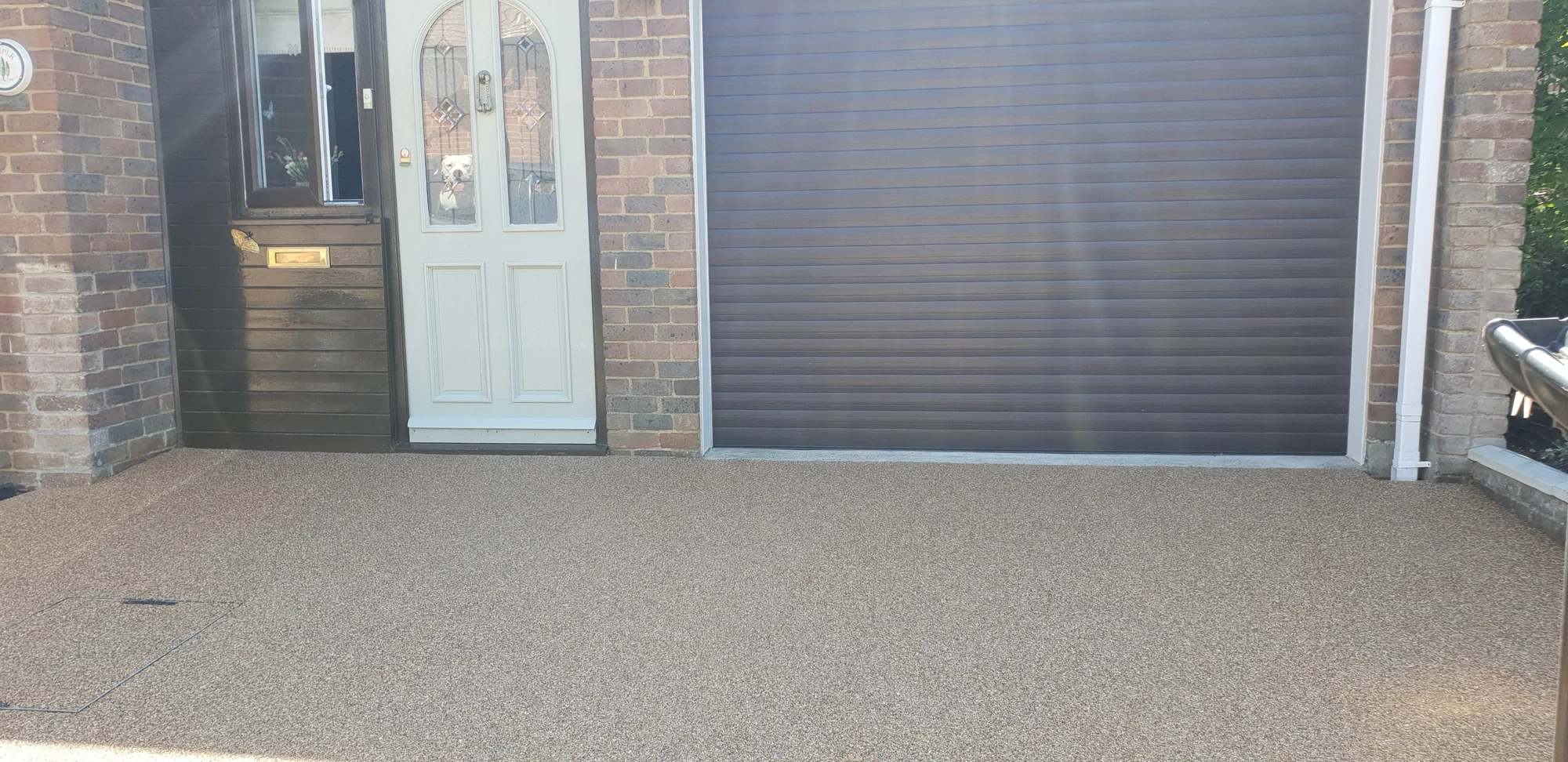
Resin Bound vs. Resin Bonded: A Comparative Overview
| Feature | Resin Bound | Resin Bonded |
|---|---|---|
| Permeability | Yes (SuDS Compliant) | No |
| Surface Finish | Smooth and seamless | Textured and rough |
| Slip Resistance | Moderate | High |
| Installation Time | Longer | Shorter |
| Cost | Higher | Lower |
| Durability | Very High (UV-Stable) | Moderate to High |
Choosing the Right Resin Driveway for Your Home
When selecting between resin bound and resin bonded systems, consider the following factors:
- Aesthetic Preferences: Resin bound systems offer a sleek, modern look, while resin bonded systems provide a more traditional, textured appearance.
- Drainage Requirements: If your property is prone to surface water runoff, a resin bound system’s permeability is essential.
- Budget: Resin bonded systems are generally more cost-effective upfront, but resin bound may offer better long-term value.
- Usage Area: For steep ramps or areas where grip is the absolute priority, resin bonded may be the safer choice.
Installation and Maintenance Tips
- Professional Installation: Ensure that installation is carried out by experienced professionals to guarantee a level base and correct mix ratios.
- Regular Cleaning: Both systems benefit from periodic cleaning to remove debris and prevent moss or algae buildup.
- UV-Stable Resins: Always opt for UV-stable resins (Aliphatic) in resin bound systems to prevent yellowing over time.

Final Thoughts
Both resin bound and resin bonded driveways offer unique advantages. By carefully considering factors such as aesthetics, functionality, budget, and environmental impact, you can select the system that best enhances your property’s value and appeal.
Need expert advice? For more information on resin driveway options and professional installation services, visit resindriveways.co.uk.