





What Is a Resin Driveway? A Comprehensive Guide
Introduction
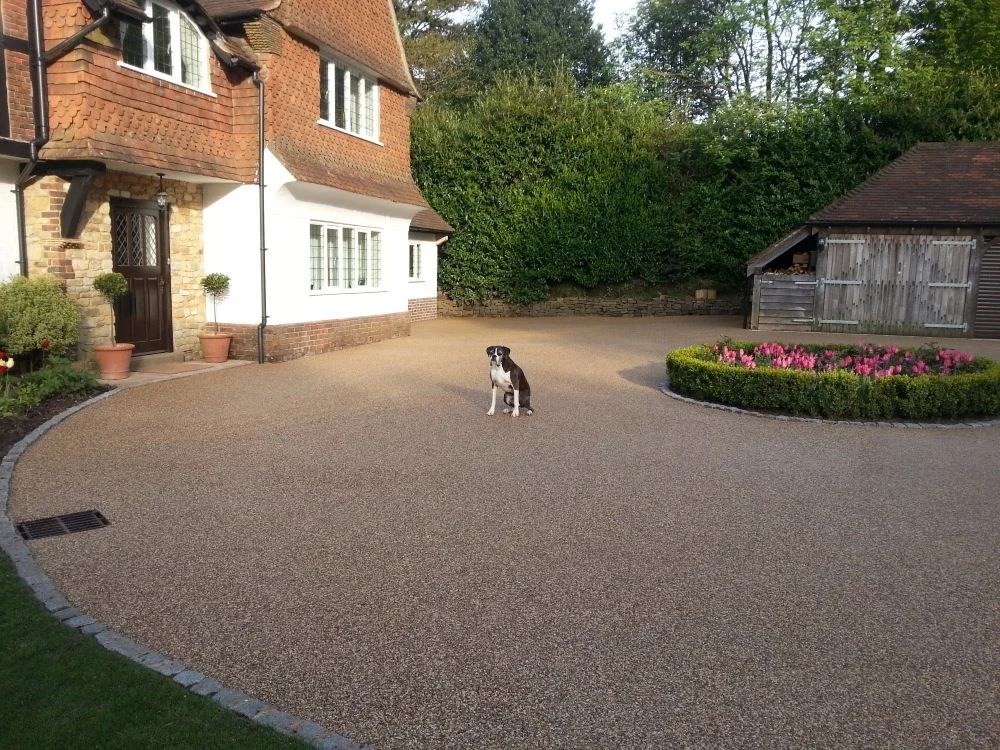
A resin driveway is a modern, durable, and aesthetically pleasing alternative to traditional driveway materials like concrete, tarmac, or block paving. Combining natural aggregates with a UV-stable resin binder, resin driveways offer a seamless, permeable surface that enhances curb appeal and complies with Sustainable Urban Drainage Systems (SuDS) regulations.
Understanding Resin Driveways
What Is Resin Bound Surfacing?
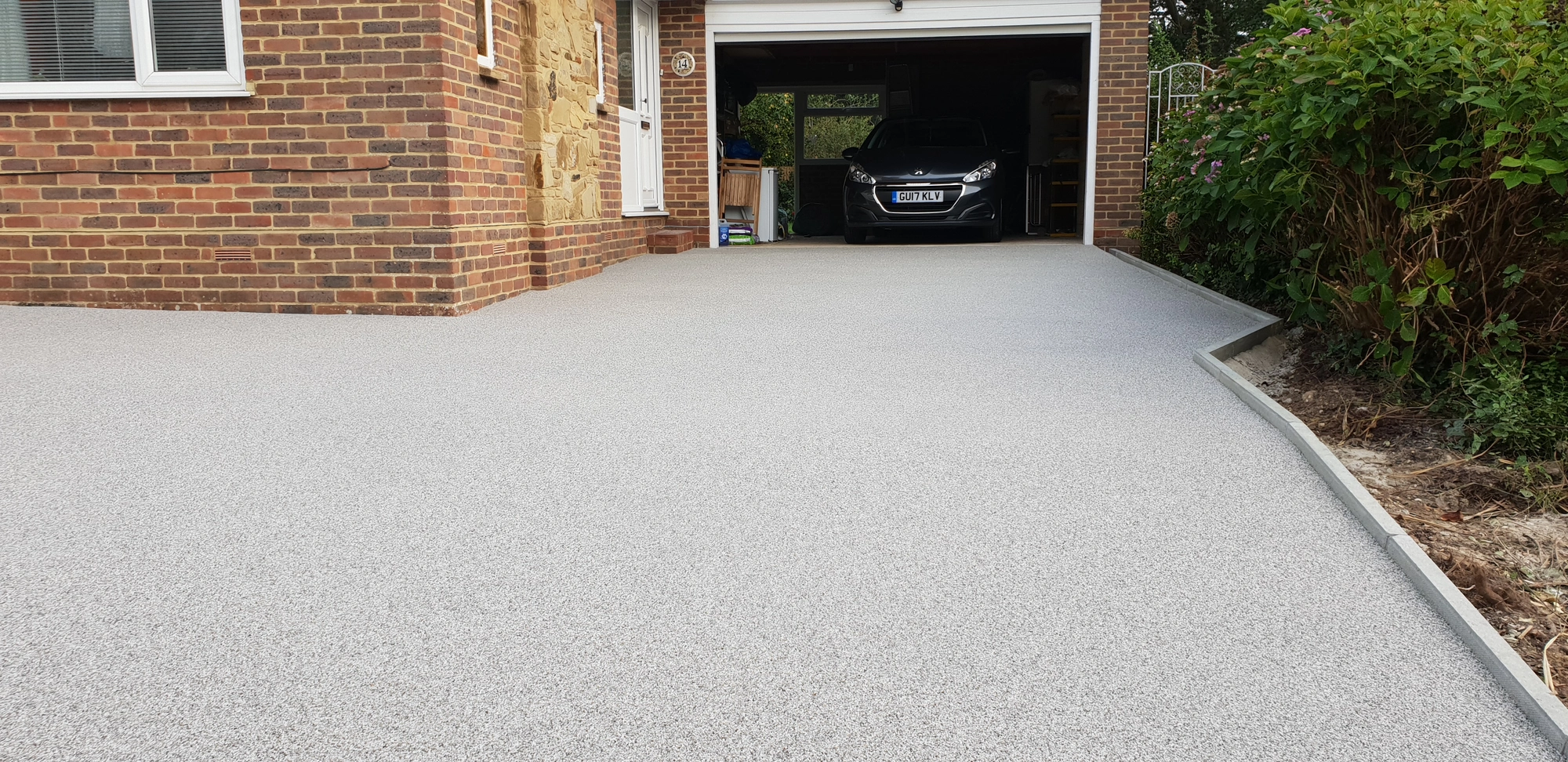
Resin-bound surfacing involves mixing natural aggregates (such as gravel or crushed stone) with a clear, UV-stable resin binder. This mixture is then trowelled onto a prepared base, creating a smooth, durable, and permeable surface. The permeability allows water to drain through the surface, reducing surface water runoff and mitigating flood risks.
Resin Bonded vs. Resin Bound
- Resin Bound: Aggregates are mixed with resin before application, resulting in a smooth, even surface with no loose stones.
- Resin Bonded: Resin is applied to the base, and loose aggregates are scattered on top, leading to a textured surface with loose stones.
Resin bound systems are generally preferred for driveways due to their durability and aesthetic appeal.
Installation Process
Step-by-Step Guide
- Preparation: Clear the area of debris and vegetation.
- Base Layer: Install a suitable sub-base, typically MOT Type 1, ensuring proper compaction.
- Edge Restraints: Set up edge restraints to maintain the shape and prevent movement.
- Mixing: Combine the aggregates with the resin binder in a forced-action mixer.
- Application: Spread the mixture evenly over the base using a trowel.
- Curing: Allow the surface to cure for 24–48 hours before use.
Installation Time
The installation of a resin driveway typically takes between 1 to 3 days, depending on the size and complexity of the project.
Cost Considerations
Average Costs
- Small Driveway (20m²): Approximately £2,800
- Medium Driveway (50m²): Approximately £6,000
- Large Driveway (100m²): Approximately £10,000
These costs can vary based on factors like aggregate choice, resin quality, and site accessibility.
Environmental Benefits
- Permeability: Reduces surface water runoff, aiding in flood prevention.
- Sustainable Materials: Utilizes natural aggregates and recyclable materials.
- Compliance: Meets SuDS regulations, promoting sustainable urban drainage.
Maintenance Tips
- Regular Cleaning: Sweep the surface regularly to remove debris.
- Pressure Washing: Use a low-pressure washer to clean stubborn stains.
- Weed Control: While resin-bound surfaces are weed-resistant, occasional maintenance may be needed.
Longevity and Durability
A well-installed resin driveway can last between 15 to 25 years, depending on factors like usage, maintenance, and environmental conditions.
Conclusion
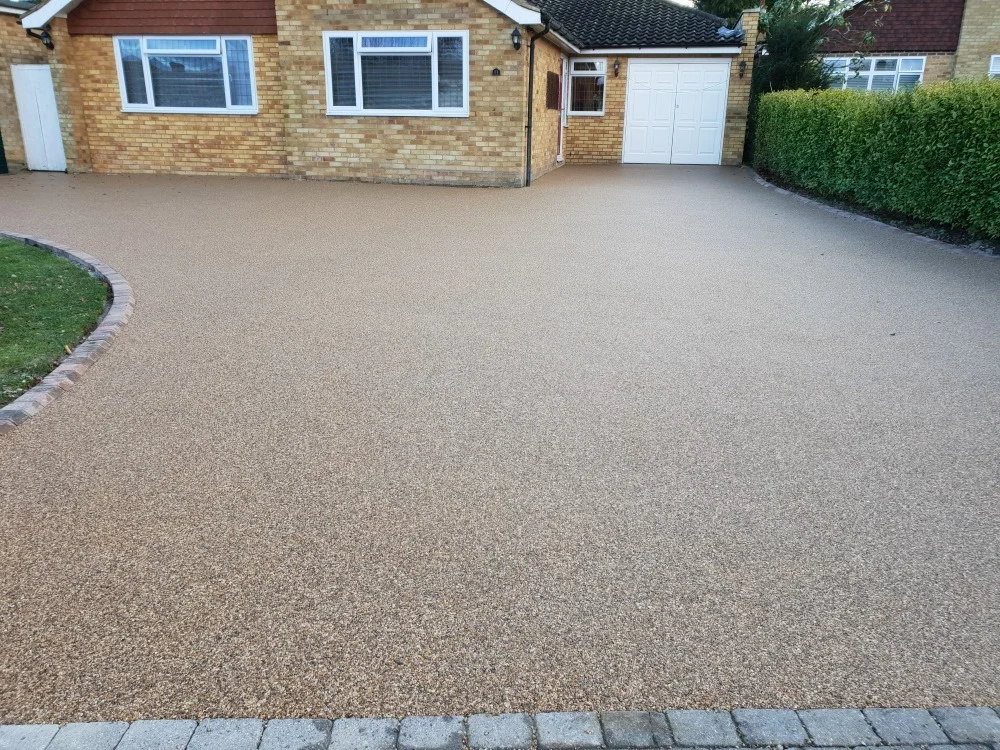
A resin driveway offers a durable, aesthetically pleasing, and environmentally friendly solution for homeowners seeking to enhance their property’s curb appeal. By understanding the installation process, cost considerations, and maintenance requirements, you can make an informed decision about whether a resin driveway is the right choice for your home.