





Why You Need to Mix Your Resin Driveway Materials Correctly
Mixing the right materials in the correct proportions is the key to ensuring a long-lasting and aesthetically pleasing resin driveway. Resin-bound driveways are created by mixing aggregates like gravel, granite, or marble with a clear resin binder. The process of mixing these components effectively is paramount to the driveway’s strength, finish, and durability. Here’s why it’s essential to get the mixing process right:
1. Ensuring Strong Bonding Between Resin and Aggregates
The primary role of the resin binder in a resin driveway is to hold the aggregates together. A poor mix can result in an inadequate bond between the resin and aggregates, leading to loose stones, rough patches, or sections where the resin doesn’t properly coat the aggregate. This weak bonding may cause the surface to crack under pressure or degrade over time due to weather exposure. Ensuring a consistent, thorough mix guarantees that the aggregates are adequately coated with resin and securely bonded.
2. Achieving the Desired Aesthetic
The appearance of a resin driveway is greatly influenced by the correct blending of the resin and aggregates. When the mix is right, it creates a smooth, even surface that enhances the curb appeal of a property. Uneven mixing, on the other hand, can result in a blotchy finish, uneven colour, or areas where the aggregate doesn’t blend in uniformly, which detracts from the overall aesthetic appeal of the driveway. Achieving the right texture and colour consistency requires precise mixing.
3. Ensuring Durability and Longevity
A correct mix not only provides a beautiful finish but also contributes significantly to the longevity of the driveway. Insufficient resin may result in an overly porous surface that wears down quickly, while an overuse of resin can lead to brittleness. Both extremes shorten the lifespan of the surface. Following the manufacturer’s recommended resin-to-aggregate ratio ensures the ideal consistency, resulting in a robust and durable driveway.
4. Avoiding Premature Wear and Tear
Incorrect mixing can result in uneven curing or insufficient curing time, leading to premature wear and tear. If the resin isn’t fully mixed with the aggregate, it might cure unevenly, leaving some areas susceptible to cracking, chipping, or fading. Proper mixing ensures that the resin and aggregates have the right texture and consistency, making the surface more resistant to the elements and heavy foot or vehicle traffic.
5. Proper Equipment and Techniques for Mixing
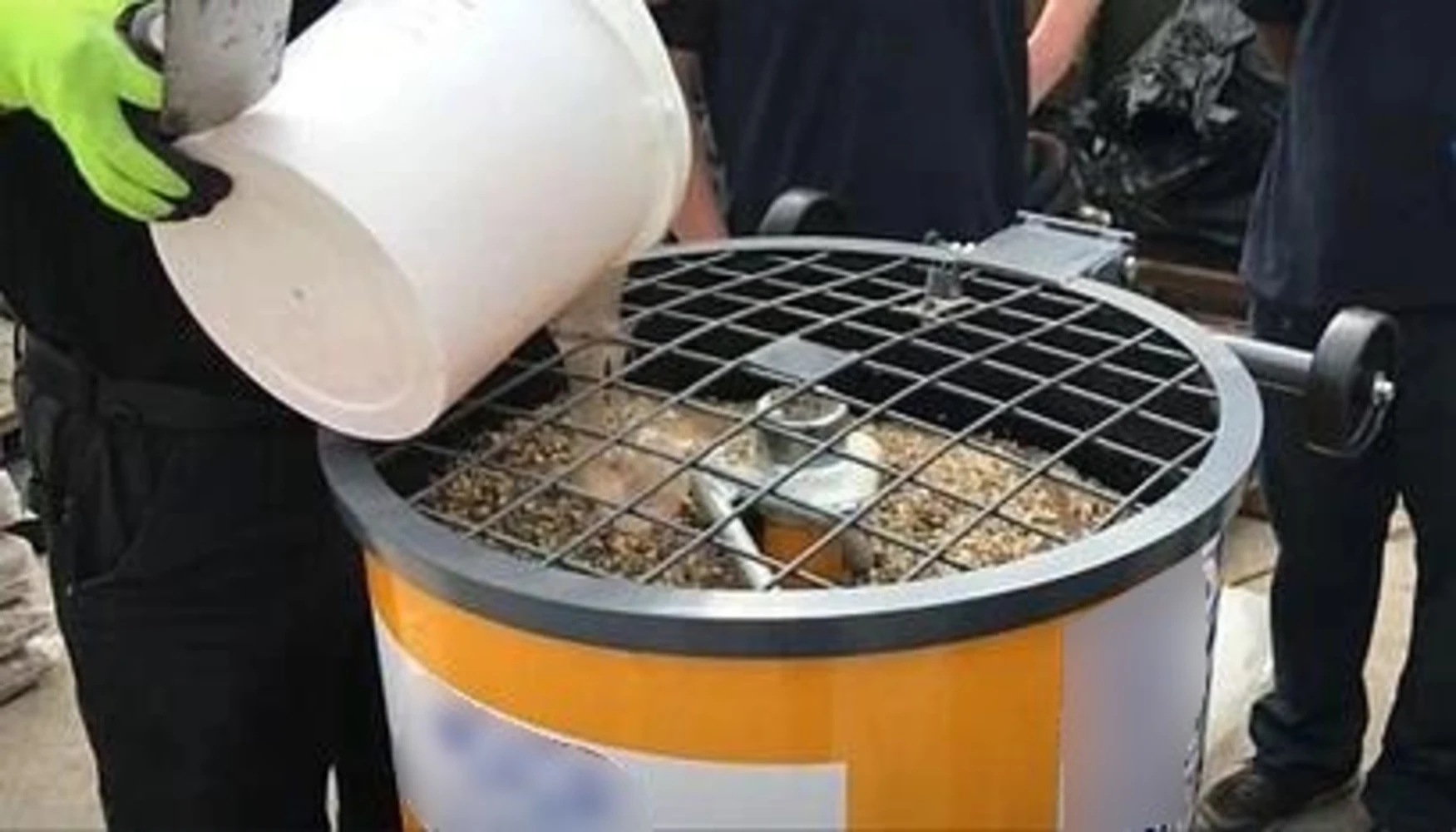
Using the correct equipment to mix your resin and aggregates is crucial. A forced-action mixer is preferred over a traditional cement mixer because it is designed to thoroughly mix materials, ensuring the aggregates are evenly coated with the resin. Forced-action mixers have rotating paddles that move the materials around the mixing drum, resulting in a more consistent and complete mix. Additionally, always ensure the aggregates are dry before mixing to prevent premature curing or clumping.
Final Thoughts: Properly mixing your resin driveway materials is one of the most critical steps in the installation process. It affects the aesthetic, longevity, strength, and safety of your driveway. By using the right materials, equipment, and mixing techniques, you ensure that your resin driveway remains functional and beautiful for years to come.