




Are Resin Driveways Wheelchair-Friendly?
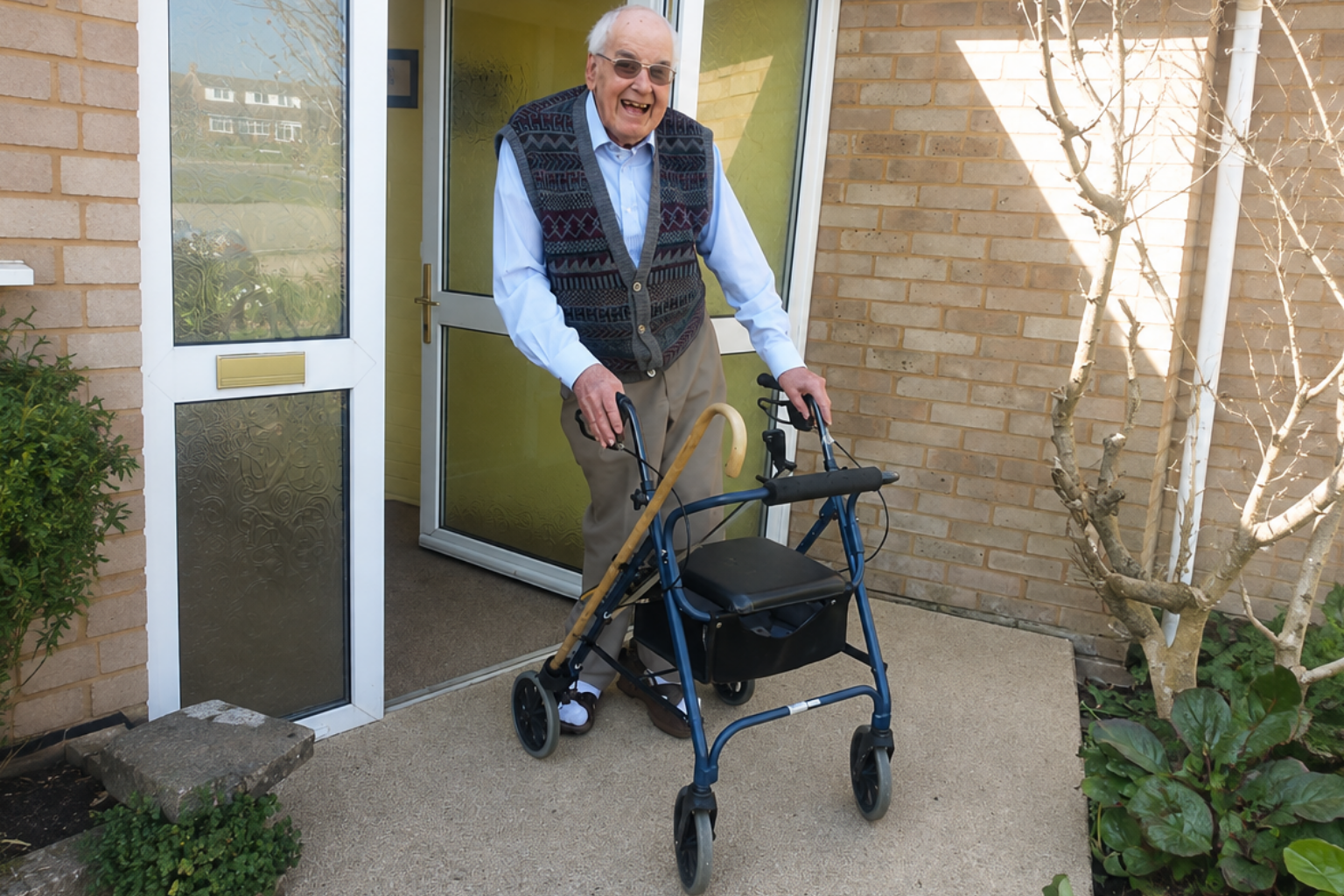
Yes, resin driveways—particularly resin-bound systems—are an excellent choice for creating wheelchair-accessible surfaces. Their smooth, level, and slip-resistant properties make them ideal for individuals with mobility challenges, including wheelchair users, those using walkers, and parents with prams or strollers.
Why Resin Driveways Are Wheelchair-Friendly
1. Seamless, Smooth Surface
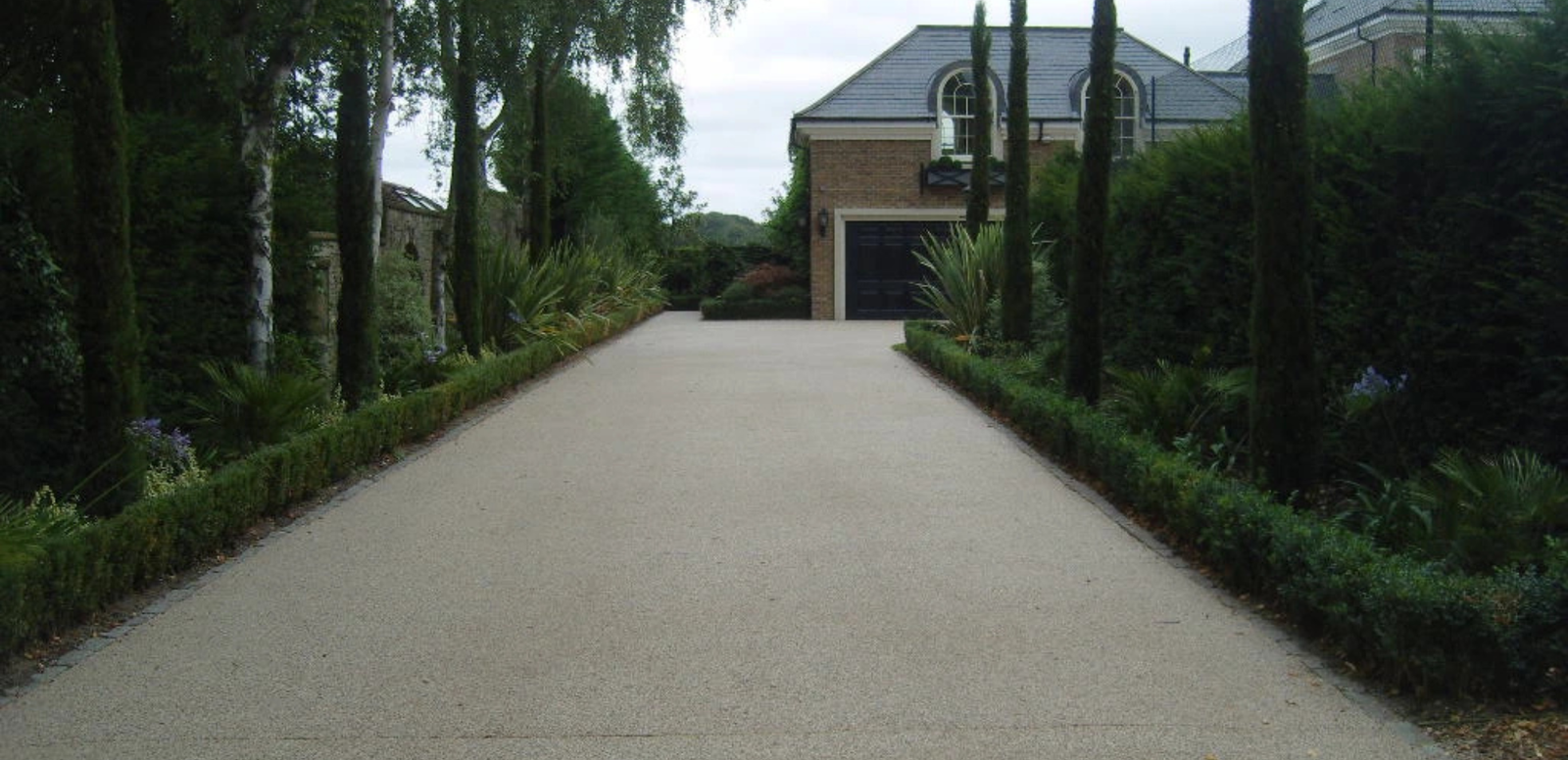
Resin-bound driveways are constructed by mixing natural stone aggregates with a clear, UV-stable resin binder. This process results in a continuous, joint-free surface without loose stones, eliminating trip hazards and providing a stable, firm base for wheelchairs and mobility aids.
2. Slip-Resistant and All-Weather Performance
The textured finish of resin-bound surfaces offers excellent traction, even when wet. This slip-resistant quality is crucial for safety, significantly reducing the risk of accidents during rainy or icy conditions compared to traditional paving or loose gravel.
3. Customizable Gradients for Accessibility
Resin driveways can be designed with gentle slopes and integrated ramps that adhere to strict accessibility standards. This customization ensures smooth transitions and easy navigation, helping homeowners comply with guidelines such as Building Regulations Part M.
4. Permeable Design to Prevent Water Pooling
The permeable nature of resin-bound surfaces allows rainwater to drain directly through the surface. By preventing puddles that could obstruct movement or hide hazards, it ensures consistent accessibility even in climates prone to heavy rain.
5. Durable and Low Maintenance
Resin-bound driveways are highly durable and resistant to cracking. Because they require minimal maintenance—usually just a regular sweep and occasional rinse—they are a practical, long-term solution for households where ease of upkeep is a priority.

Design Considerations for Wheelchair Accessibility
To maximize the accessibility of a resin driveway, consider incorporating the following design elements during the planning phase:
- Width: Ensure the driveway and connecting pathways are wide enough to accommodate wheelchair users and turning circles comfortably.
- Gradients: Design gentle slopes and ramps with appropriate gradients (typically 1:12 or 1:15) to facilitate effortless movement.
- Surface Texture: Opt for a specific aggregate size and texture that enhances grip without creating excessive rolling resistance.
- Edge Treatments: Incorporate solid edging to prevent the spread of surrounding loose materials and provide clear visual and physical boundaries.
- Drainage: While the surface is permeable, ensure the sub-base is engineered to manage water volume effectively to maintain surface integrity.
Conclusion
Resin-bound driveways offer a combination of safety, durability, and aesthetic appeal, making them an excellent choice for creating wheelchair-accessible surfaces. Their smooth, slip-resistant, and permeable properties ensure ease of movement and long-term functionality. By considering design elements that prioritize accessibility, homeowners can create inclusive outdoor spaces that enhance mobility and independence.