





How Long Does a Resin Driveway Take to Install?
Installing a resin driveway is a transformative home improvement that combines aesthetic appeal with functionality. For many homeowners, the speed of installation is one of the biggest draws. Understanding the typical installation timeline can help you plan your schedule and manage access to your property during the transformation
Typical Installation Timeline
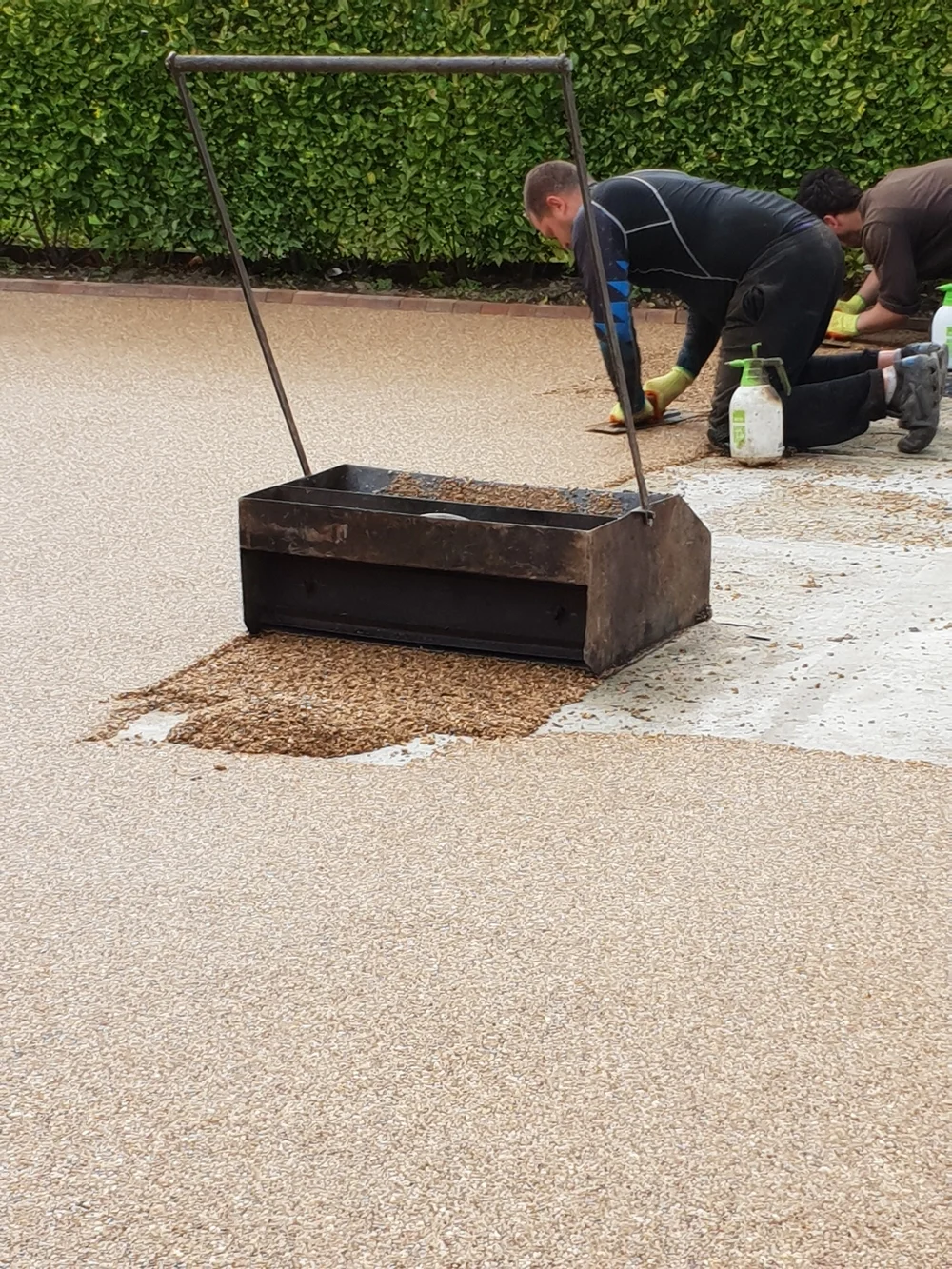
On average, a complete resin driveway installation is finished within 3 to 4 days. This timeframe encompasses all stages from initial groundworks to the final curing process. However, if you are simply overlaying an existing, high-quality concrete or tarmac base, the actual resin application can often be completed in just one day.
Breakdown of the Installation Process:
- Preparation Phase (1–2 Days): This is the most critical stage. It involves clearing the existing surface, excavating the area if necessary, and laying a stable, permeable sub-base (such as Type 1 MOT and porous asphalt). Adequate preparation is the secret to preventing future cracks or sinking.
- Resin Application (1 Day): Once the base is prepared and bone-dry, the resin and aggregate mixture is prepared in a forced-action mixer and trowelled onto the surface. This stage requires high precision and a skilled team to achieve a seamless, level finish.
- Curing Time (24–48 Hours): After the final trowel stroke, the resin needs time to chemically bond. While it may look finished, it remains vulnerable during the first few hours.
Safe Usage Guidelines
While the curing process begins immediately, you must follow these safety intervals to avoid damaging the new surface:
- Foot Traffic: Typically safe to walk on after 6–12 hours.
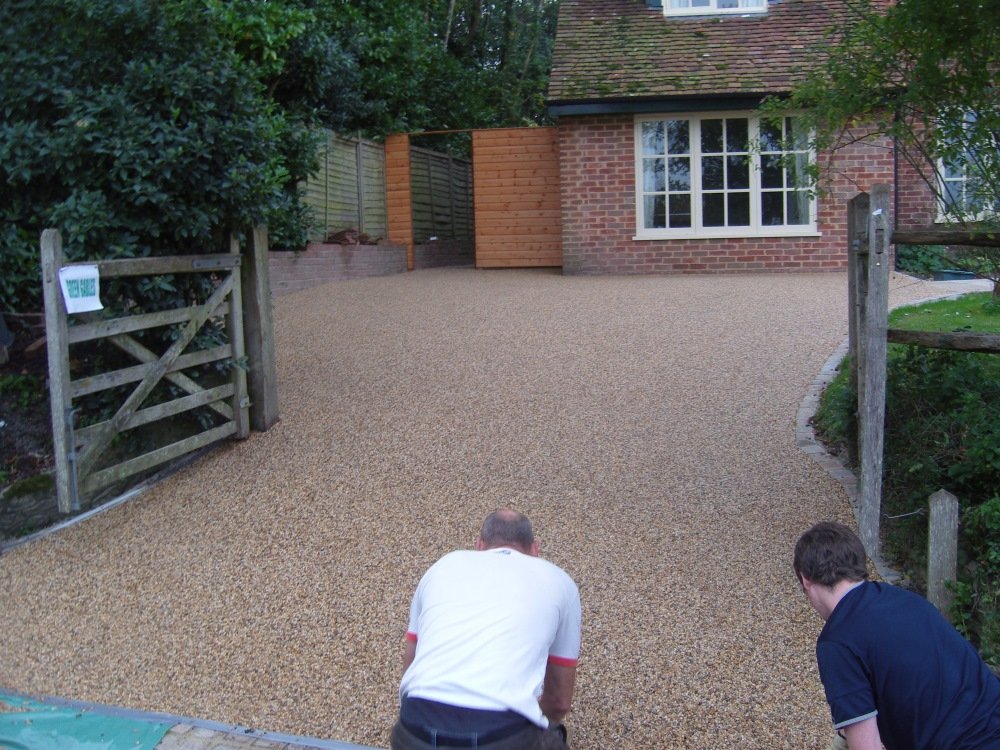
- Vehicle Traffic: It is essential to wait at least 24 to 48 hours before driving or parking on the surface to ensure the resin has reached its full structural strength.
SAMSUNG DIGITAL CAMERA
Impact of Weather Conditions
Weather is the primary factor that can shift your installation schedule:
- Ideal Conditions: Temperatures between 12°C and 25°C with zero precipitation are optimal for a perfect finish.
- Adverse Conditions: Rain, high humidity, or temperatures below 5°C will halt installation. If it rains during the curing phase, the resin can turn cloudy or fail to bond, meaning installers must wait for a guaranteed dry window.
Conclusion
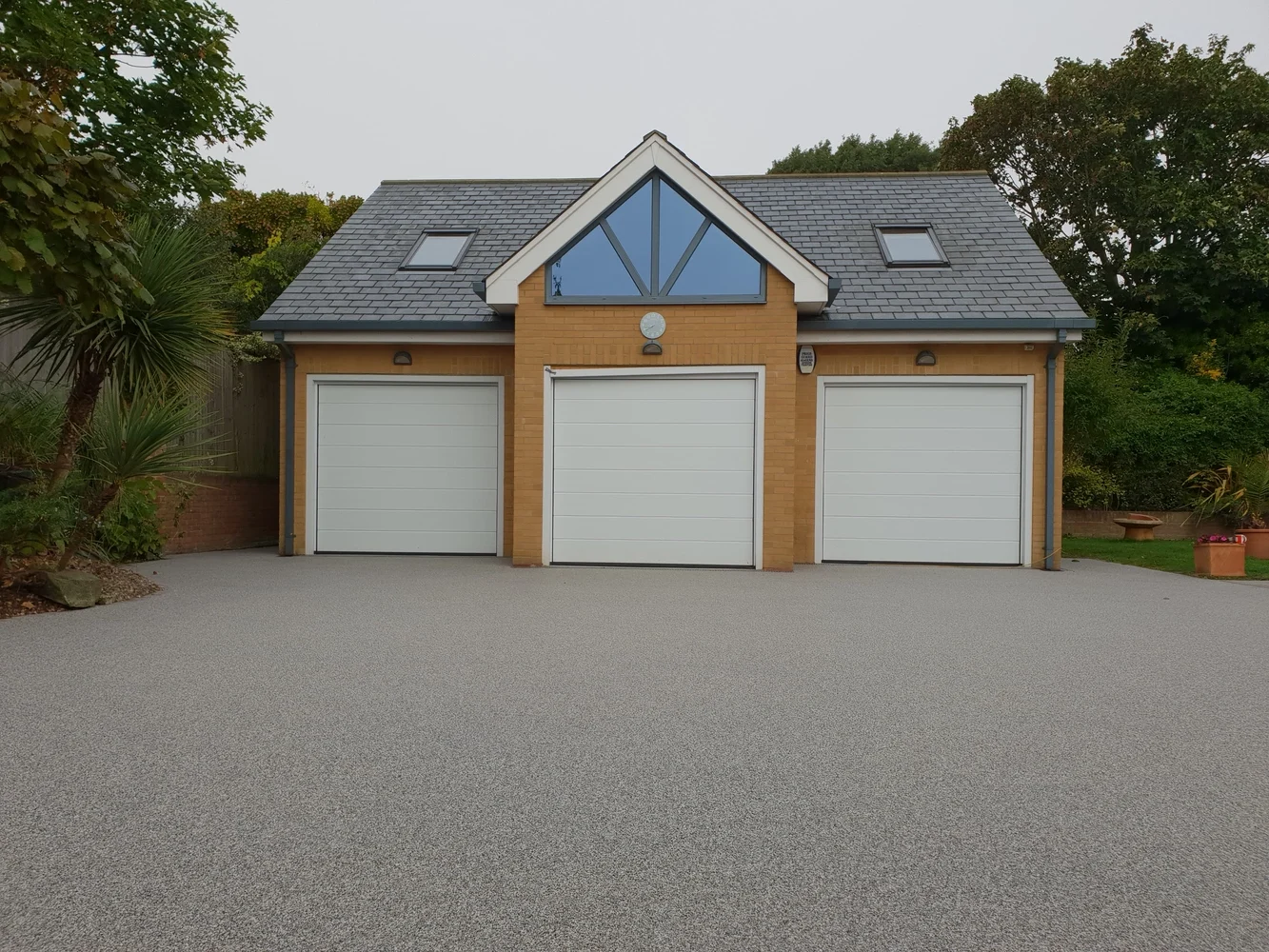
While the installation of a resin driveway is relatively swift compared to traditional block paving, proper planning and a keen eye on the weather forecast are essential. By understanding the typical 3-to-4-day timeline, you can ensure a smooth, efficient process that results in a stunning, long-lasting entrance to your home.
Pro Tip: If your project involves a new dropped kerb, remember to factor in the additional time required for local council inspections, which can sometimes precede the resin installation.