





Why a Good Base Is Crucial for a Resin Driveway
The durability, appearance, and performance of your resin driveway hinge on the quality of its foundation. A well-prepared base ensures that the resin surface remains stable, permeable, and resistant to common issues like cracking and subsidence.
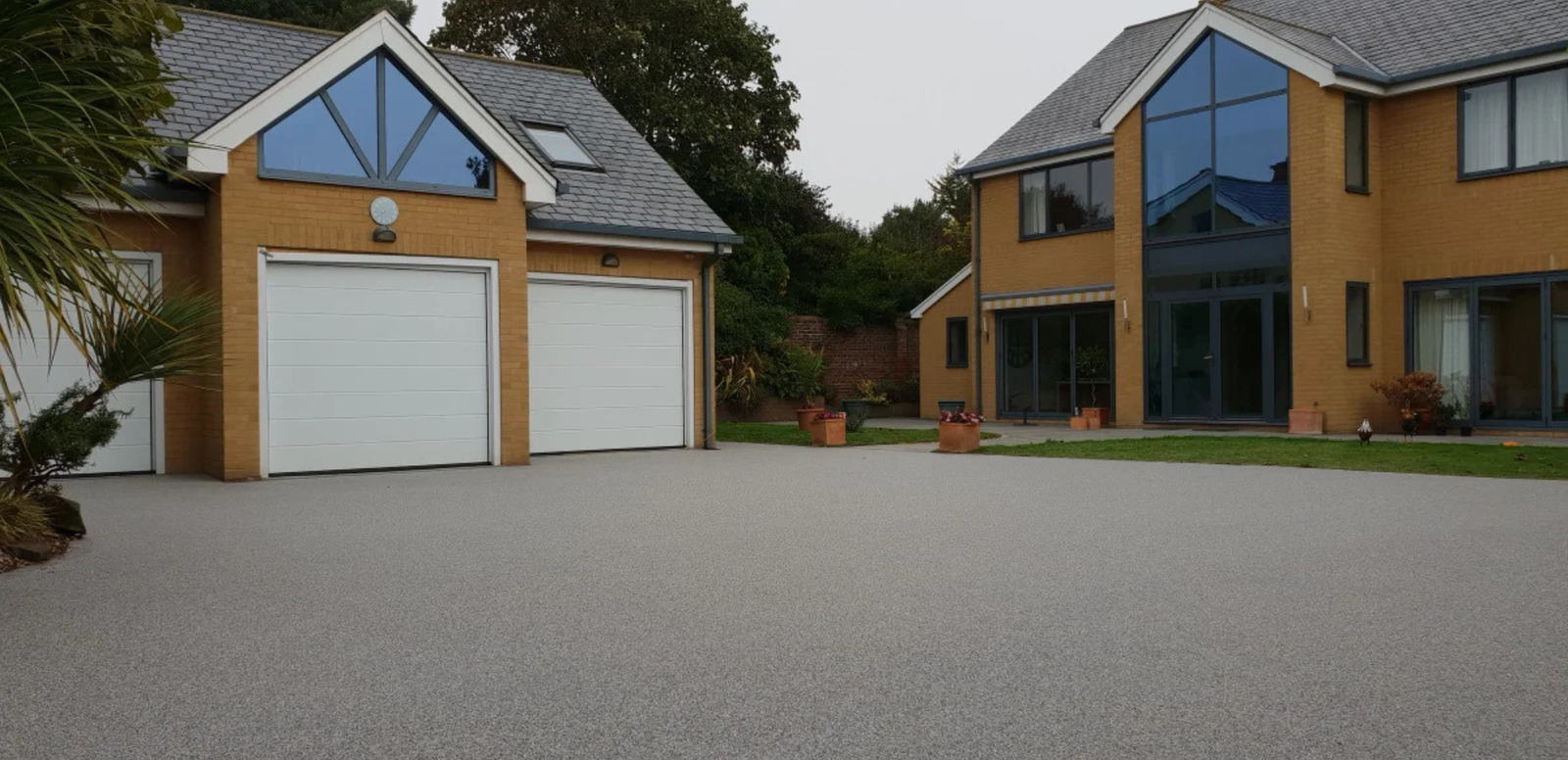
What Constitutes a Strong Base?
A solid base provides structural integrity and supports the weight of vehicles and foot traffic. Commonly used base materials include:
- Tarmac (Asphalt): Offers flexibility and strength, making it ideal for driveways. It should be in good condition, free from cracks or loose areas. If using tarmac as a sub-base, it should be left to set for a minimum of 2 weeks to allow the oils to deplete.
- Porous Concrete: Provides a stable and durable foundation, especially when properly cured. New concrete should cure for at least 7 days before resin application. Existing concrete must be thoroughly cleaned and primed to ensure proper adhesion.
- MOT Type 3 Sub-Base: Used for new installations, especially for permeable (SuDS-compliant) surfaces. It consists of larger angular aggregate that compacts well while still allowing water to pass through. Typical depth ranges from 100mm to 200mm, depending on expected load.
Bases to Avoid
Certain materials are unsuitable as bases for resin driveways due to their instability and potential for movement:
- Block Paving: Uneven surfaces can lead to cracking and instability. The movement between blocks can cause the resin to shift and crack.
- Brick Paving: Similar to block paving, the uneven nature can result in surface failure.
- Paving Slabs: Lack of solid support can lead to cracking and deterioration of the resin surface.
- Loose Gravel or Soil: These materials are too unstable and can cause the resin to sink or shift.
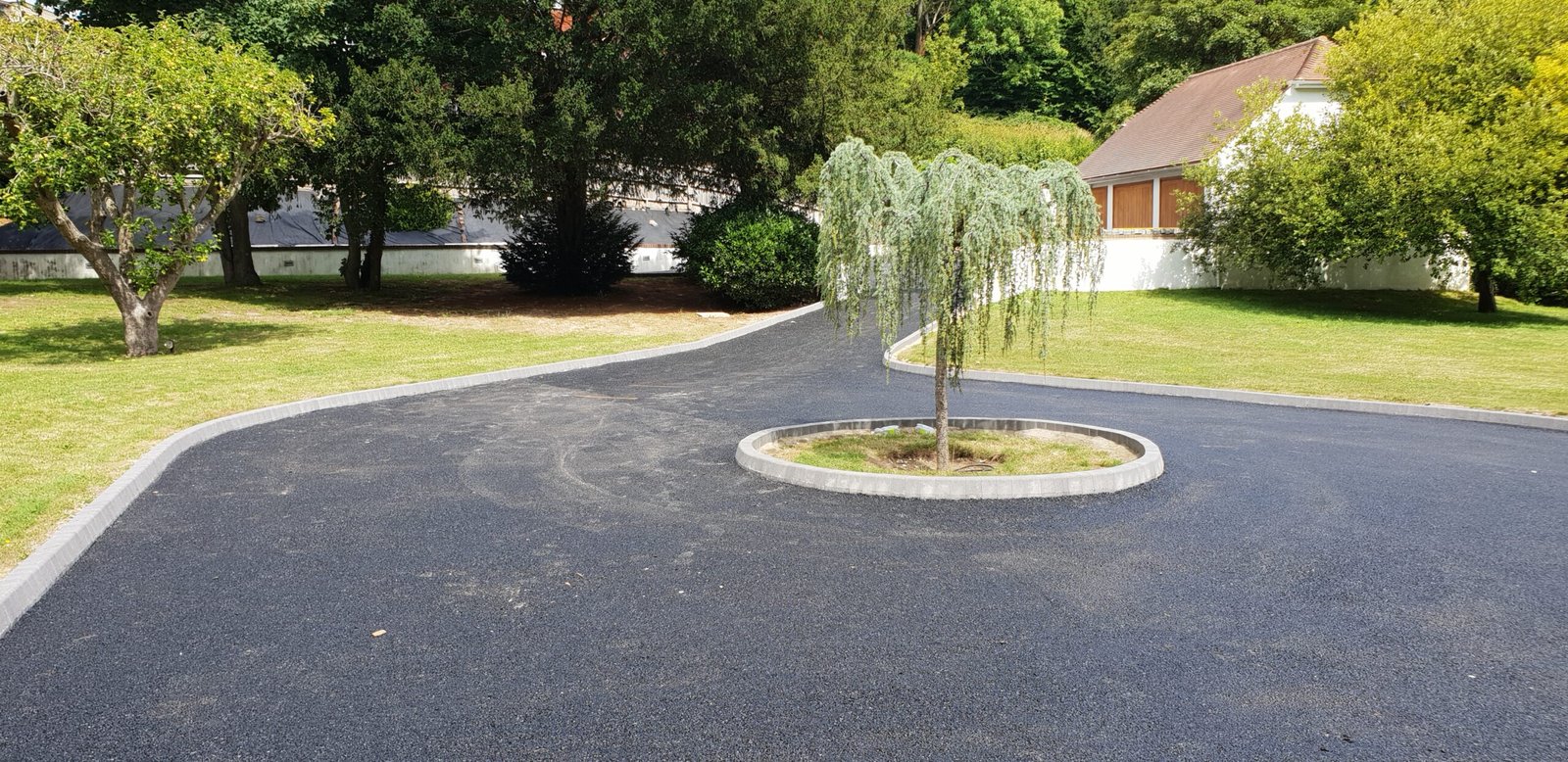
Importance of Proper Base Preparation
Even with a suitable base material, proper preparation is essential:
- Compaction: Ensures the base is stable and can support the resin surface without shifting.
- Levelling: Prevents uneven surfaces that can lead to water pooling or surface damage.
- Drainage: Proper grading ensures water flows away from the surface, preventing water damage and maintaining SuDS compliance.
- Cleaning: Removes debris, oil, or moss that can interfere with resin adhesion.
Impact of a Poor Base
An inadequately prepared base can lead to:
- Cracking: Movement in the base can cause the resin surface to crack.
- Subsidence: Uneven settling can lead to depressions or uneven surfaces.
- Water Pooling: Improper drainage can cause water to pool, leading to surface damage.
- Reduced Lifespan: Overall, a poor base compromises the durability and aesthetic appeal of the driveway.
Conclusion
Investing time and resources into preparing a solid base for your resin driveway is crucial for its longevity and performance. Whether opting for tarmac, porous concrete, or MOT Type 3 sub-base, ensure that the material is suitable, properly prepared, and well-maintained to achieve the best results.